




Waste problem in Bali is becoming harder to ignore, especially in areas driven by tourism. While the island continues to attract millions of visitors, the growing volume of garbage has created serious environmental pressure. The provincial government now says the tourism industry itself is one of the biggest contributors.
Bali Governor I Wayan Koster revealed that around 41 percent of the island’s waste comes from the hotel, restaurant, and cafe sector, commonly known as Horeka. He delivered the statement during a waste management socialization event for tourism businesses in Badung Regency on Thursday, May 7, 2026.
According to Koster, most Horeka businesses are concentrated in Badung, the heart of Bali’s tourism industry. Yet he pointed out that local residents in Badung have shown stronger discipline in handling waste compared to some tourism operators.
That situation has pushed the Bali Provincial Government and local administrations to tighten supervision over how hotels, restaurants, and cafes process their waste.
Koster said he has been personally monitoring the progress of waste management across Bali, especially after stricter controls were introduced following the closure of the overloaded Suwung landfill site.
“There has already been significant progress since very strict controls were implemented after the closure of the Suwung landfill. This must continue to improve because a clean Bali is necessary for our environment so people can live healthily,” he said.
The governor stressed that Badung carries a particularly large responsibility because the regency serves as the center of Bali’s global tourism activities. It is also home to the largest concentration of hotels and restaurants on the island.
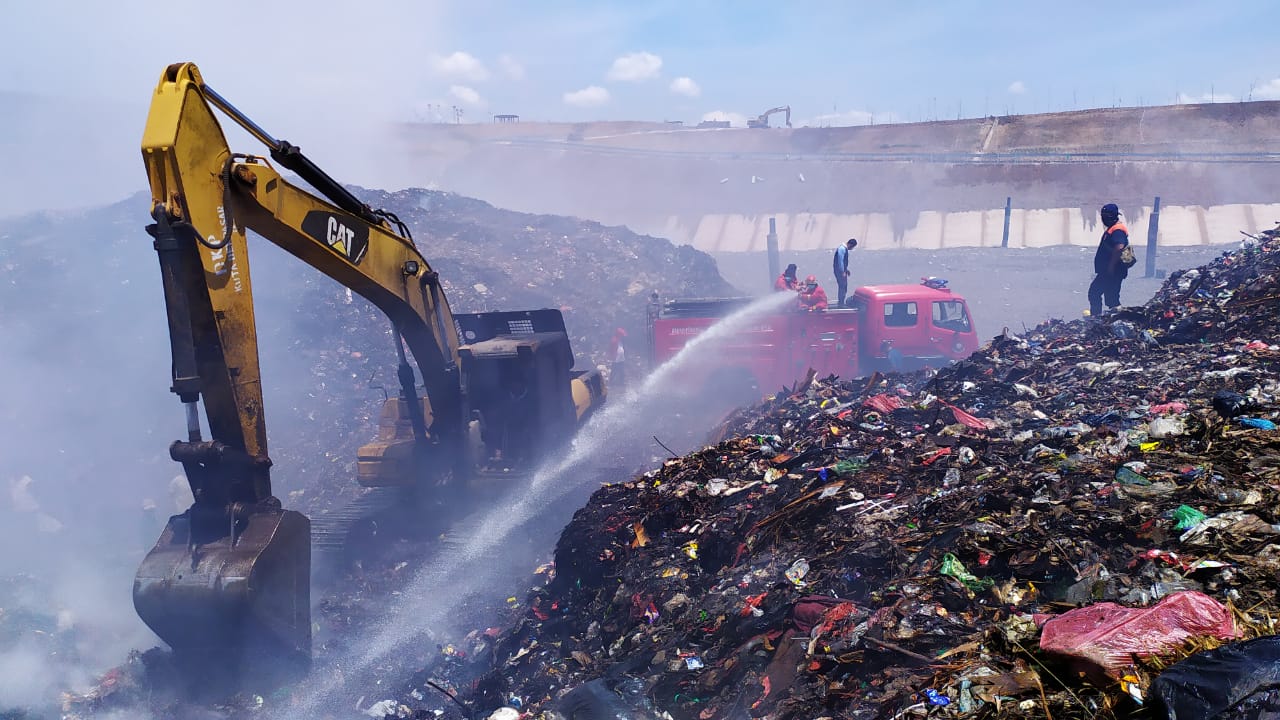
He again highlighted the condition of the Suwung landfill, which has exceeded its capacity and caused environmental pollution. For Koster, the old pattern of simply disposing waste without proper management can no longer continue.
“We must end the habit of staying comfortable. We have to change our behavior. I am no longer afraid, I have to be brave. If Bali tourism wants to remain sustainable, then the waste problem must be solved,” he stated firmly.
The scale of the issue remains enormous. Waste production in Badung alone currently reaches around 800 tons per day. Denpasar generates even more, with about 1,300 tons daily.
Read also: Indonesia Plans Bali Financial Center Inspired by Dubai Model
Even though improvements have started to appear, Koster admitted the results still fall below the target expected by the government.
Because of that, he urged tourism business operators to start taking direct responsibility for managing waste within their own properties and operations.
Koster also made it clear that hotels should no longer depend only on corporate social responsibility programs to deal with waste management. Instead, waste processing should become a standard operational expense built into business budgets.
A major policy shift is also approaching. Starting from April 1 until July 1, 2026, the Suwung Integrated Waste Processing Site will only accept residual waste. After that period, waste disposal there will stop completely.
“From April 1 to July 1, 2026, the Suwung Integrated Waste Processing Site will only accept residual waste. After that, it will stop completely. Business operators must manage their own waste. If they cannot handle it independently, they must join or cooperate with other waste managers. This is a choice that must be carried out,” Koster concluded.
The policy signals a broader push to change how Bali handles one of its most persistent environmental problems. For the provincial government, keeping Bali clean is no longer just about appearance. It has become closely tied to public health, environmental sustainability, and the future of the island’s tourism industry itself.