





A virus most people rarely talk about is quietly drawing serious attention from health authorities. It does not spread as widely as COVID-19, but when infections happen, the consequences can be severe. Indonesia is now monitoring hantavirus more closely after dozens of cases and several deaths were recorded in recent years.
The Ministry of Health reported that 23 hantavirus cases have been identified across nine provinces in Indonesia over the past three years. Three people died, bringing the fatality rate to around 13 percent.
The issue gained wider attention after an outbreak was reported aboard the luxury cruise ship MV Hondius. The vessel was traveling across the Atlantic Ocean from Ushuaia, Argentina, to Cape Verde when several passengers and crew members suddenly became ill.
As of Tuesday, May 5, 2026, the World Health Organization said seven out of 147 passengers and crew members had fallen sick. Three of them died during the outbreak.
Authorities in Indonesia stressed that the cases found domestically involve the Seoul virus strain of hantavirus, not the Andes virus associated with the MV Hondius outbreak. The distinction matters because Andes virus is known for its rare potential to spread between humans, while Seoul virus transmission mainly comes from infected rodents.
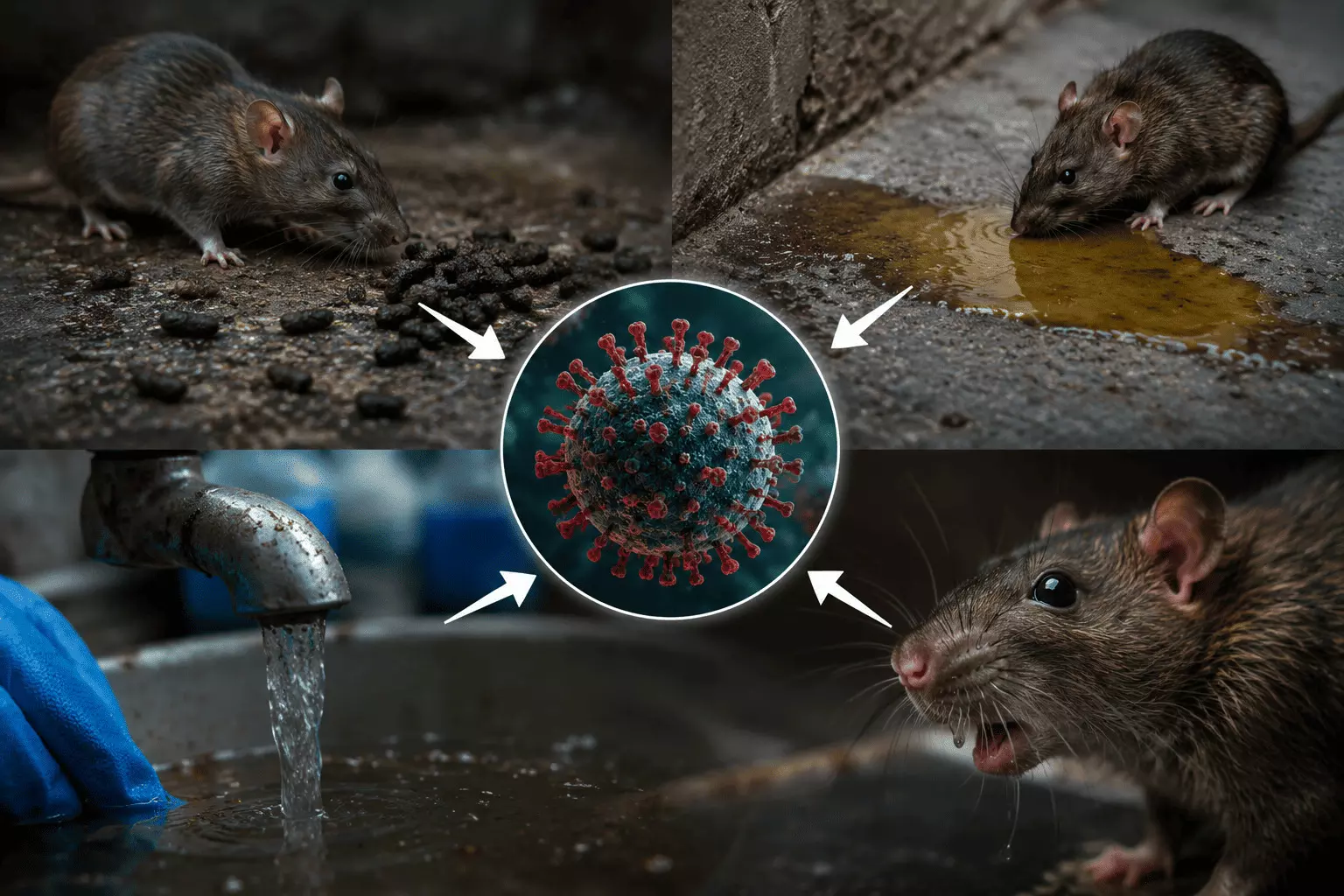
Most infections occur through contact with rats or shrews carrying the virus. Transmission can happen through bites, saliva, urine, feces, or other secretions. In some cases, people become infected simply by inhaling contaminated dust particles in the air.
Indonesia recorded the highest number of Seoul virus hantavirus cases last year, with 17 infections. Only one case was reported in 2024. So far in 2026, five additional cases have already been identified.
“23 positive but 20 recovered, three died,” said Aji Muhawarman, Head of the Bureau of Communication and Public Services, on Thursday, May 7, 2026.
He also emphasized that the risk of Andes virus entering Indonesia and spreading between humans remains low.
“Indonesia’s risk assessment for imported Andes hantavirus cases, which can spread between humans, is considered low, rare, and generally limited to South America,” he explained.
Health officials noted that the fatality rate cannot be linked to a single factor alone. Some patients were also dealing with serious co-infections and health complications, including liver cancer and multi-organ failure.
One reason hantavirus is concerning is because transmission does not always require direct contact with rodents. According to national health guidelines, the virus often spreads through aerosolized rodent excretions. In simple terms, someone can become infected just by breathing air contaminated with particles from rat urine, saliva, or feces.
The virus can also enter the body through direct rodent contact, open wounds, or contaminated surfaces.
Research conducted in Indonesia shows that hantavirus is not limited to isolated or rural regions. Cases have been identified in major cities including Jakarta, Bandung, Semarang, and Denpasar. One study even found infections among patients treated at hospitals in several large urban areas.
Read also: Indonesia Develops Advanced NEO 1 Satellite for Earth Monitoring
For now, the Ministry of Health believes the outbreak linked to MV Hondius remains concentrated onboard the ship and has not spread further.
Health Minister Budi Gunadi Sadikin said the government has already coordinated with the World Health Organization to prepare screening guidelines because hantavirus is considered dangerous.
“But based on the information we received, the virus is still concentrated on that ship, so it has not spread elsewhere,” Budi said in Jakarta on Thursday, May 7, 2026.
The ministry is currently preparing a national screening system for hantavirus. The plan includes rapid testing methods similar to those introduced during the COVID-19 pandemic, as well as PCR reagents designed specifically to detect the virus.
The developments show how Indonesia is trying to stay ahead before the situation grows larger. Even though the risk of widespread transmission remains low, health authorities appear unwilling to underestimate a virus that can quietly spread through something as simple as contaminated air.