



Affordable internet is no longer just about staying connected. It has become a critical foundation for economic growth, access to education, business opportunities, and public services in the digital age. Recognizing this, Indonesia is intensifying efforts to make internet access cheaper and more accessible across the country.
However, the government acknowledges that there is still work to do. The Ministry of Communication and Digital Affairs (Komdigi) has highlighted that internet costs in Indonesia remain above the affordability benchmark established by the International Telecommunication Union (ITU).
Deputy Minister of Communication and Digital Affairs Nezar Patria explained that the ITU uses a specific standard to measure affordability worldwide.
“The ITU sets the internet basket at below 2 percent of total GDP per capita,” Nezar said, as quoted by Komdigi’s official website on June 8, 2026.
According to Nezar, lowering internet costs could unlock new sources of economic growth while expanding opportunities for people to participate in the digital economy. More affordable and cheaper internet in Indonesia would make it easier for citizens to access education, employment opportunities, and a wide range of digital services.
He believes cheaper internet affordability plays a central role in broadening digital inclusion across society and accelerating the growth of digital economy in Indonesia.
“Internet affordability is an important factor in expanding people’s digital access. The lower the cost people have to pay, the greater the opportunity for them to use the internet for learning, working, doing business, and accessing various digital public services,” he said.
For that reason, Komdigi continues to push for better network quality while simultaneously reducing internet access costs. The objective is to ensure that the benefits of digital transformation can be enjoyed more broadly by communities across the country.
“If the internet can be made affordable, its penetration across all sectors of society can improve, and the digital economy will deliver even greater results,” Nezar added.
Read also: International Investors Show Strong Interest in Indonesia Amid Global Uncertainty
Expanding access alone, however, is not enough. The government is also working to narrow the digital divide between regions through the development of telecommunications infrastructure.
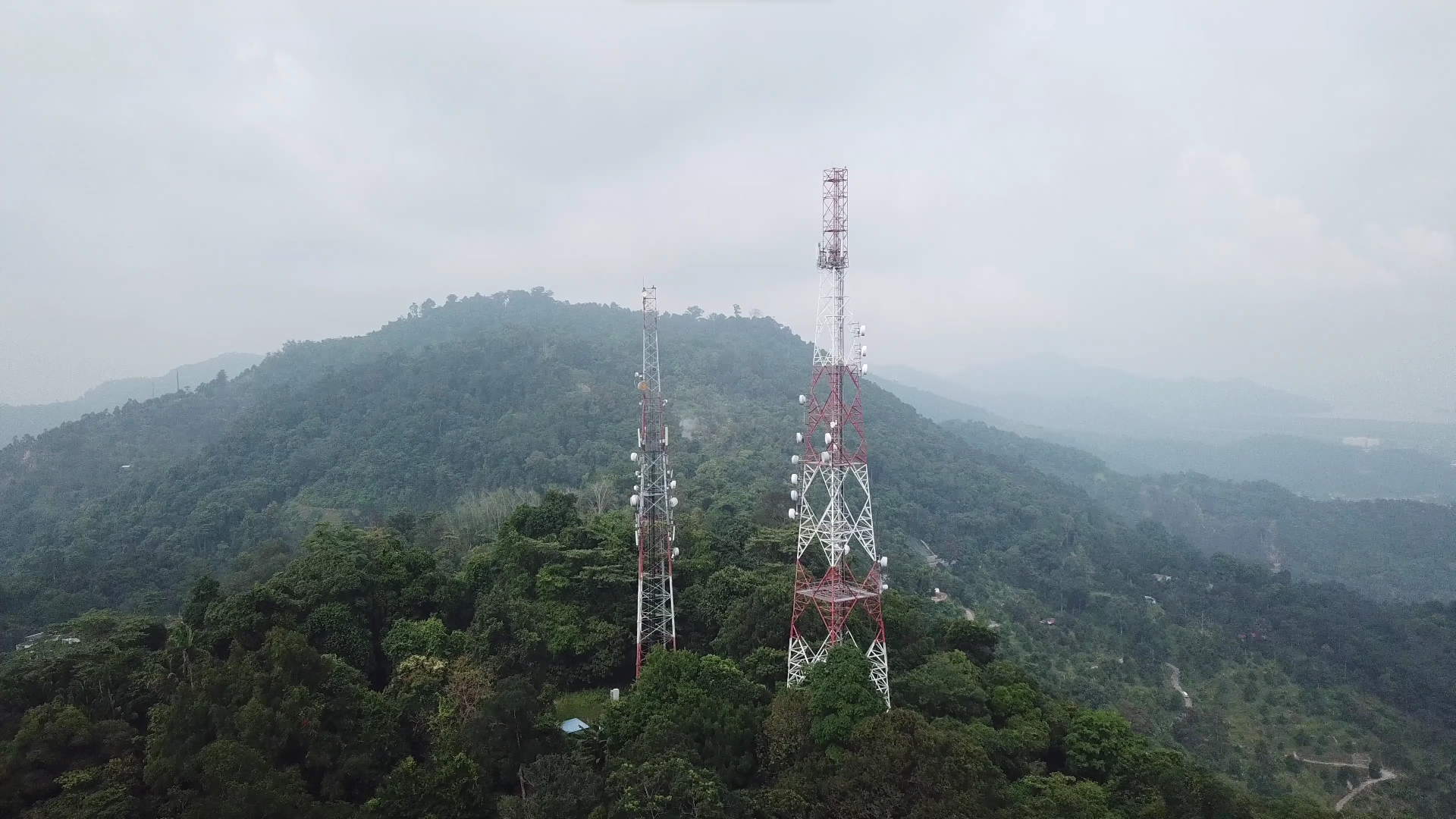
These efforts include expanding fiber-optic networks, constructing Base Transceiver Stations (BTS), and utilizing Low Earth Orbit (LEO) satellites to connect remote areas that are difficult to serve through conventional terrestrial networks.
Despite the importance of infrastructure, Nezar emphasized that successful digital development should not be measured solely by internet availability.
“Meaningful connectivity creates impacts on social, economic, and cultural activities. That is why the Ministry of Communication and Digital Affairs is currently focusing on talent development,” he explained.
As a result, Komdigi is placing equal emphasis on building digital talent alongside infrastructure. The ministry aims to equip people with the skills needed to use technology productively and generate new economic value.
Nezar believes that affordable internet, equitable connectivity, and strong digital talent together will form a crucial foundation for Indonesia’s long-term growth as it moves toward the vision of Golden Indonesia 2045.
Data from the Global Broadband Price League 2026 report provides additional context on Indonesia’s position in the region. The report shows that Indonesia has the second-lowest average internet prices in Southeast Asia.
Vietnam ranks first with average monthly internet costs of US$10.24, or approximately Rp184,320 using an exchange rate of Rp18,000 per US dollar.
Indonesia follows closely behind with average monthly internet costs of US$10.66, equivalent to around Rp191,880. On a global scale, the country ranks 12th out of 214 nations included in the report.
Yet affordability tells only part of the story.
When measured by service quality, Indonesia still trails several neighboring countries in Southeast Asia. Singapore, for example, offers average internet speeds of 410 Mbps for around US$32.22 per month, or approximately Rp579,960. This translates to a cost of only about US$0.08, or Rp1,440, per Mbps.
Thailand also performs strongly in this area, with average internet speeds reaching 272.6 Mbps and relatively low costs per Mbps.
Indonesia presents a different picture. With monthly costs of around US$10.22, or approximately Rp183,960, and average speeds of 31.2 Mbps, users pay roughly US$0.34, or around Rp6,120, per Mbps.
These figures suggest that although internet prices in Indonesia are relatively affordable in nominal terms, users still receive lower value for money compared with consumers in several neighboring countries.
Improving internet affordability while raising service quality remains a key challenge. As Indonesia continues building infrastructure and developing digital talent, ensuring that connectivity delivers meaningful benefits to society may prove just as important as expanding access itself.