


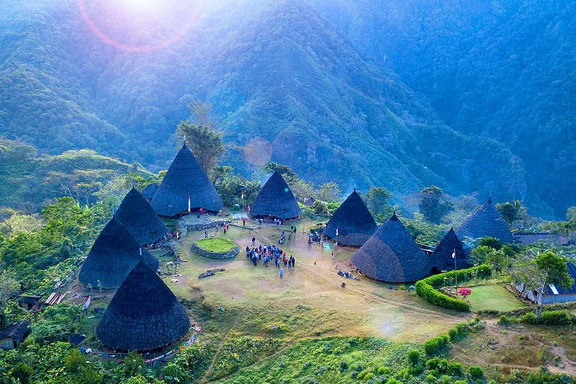

Travelers heading to Indonesia this summer are venturing far beyond the country’s most famous destinations. While Bali continues to attract millions of visitors, international travelers in Indonesia are increasingly searching for quieter places, authentic local experiences, and nature-focused adventures that showcase a different side of the archipelago. The latest travel data suggests that Indonesia’s tourism landscape is becoming more diverse as visitors spread their journeys across emerging destinations.
This international travelers shift in Indonesia is evident in the growing popularity of regions such as Samosir in North Sumatra, Central Lombok in West Nusa Tenggara, and Kampar in Riau. Rather than simply choosing well-known attractions, travelers are looking for places where they can stay close to nature, enjoy outdoor recreation, and experience local life in a more meaningful way.
Airbnb data highlights Samosir as one of the strongest examples of this trend. As one of Indonesia’s Super Priority Tourism Destinations (DPSP), the island has the country’s highest concentration of lakeside accommodations, with nearly 90 percent of its listings located along the shores of Lake Toba. The figures reflect increasing demand for peaceful stays surrounded by spectacular scenery and a calm natural environment.
One accommodation that represents this experience is Family Cabin Lake Toba. The property offers wooden cabins with spacious outdoor areas designed for families and groups, allowing guests to enjoy panoramic views of Lake Toba while staying immersed in the surrounding landscape.
Central Lombok is also experiencing rising interest as travelers seek vacations centered on outdoor activities. The region, home to Mandalika and several popular surfing beaches, has more than 10 percent of its Airbnb listings situated near surfing locations. This growing preference indicates that many visitors now spend their holidays surfing, relaxing by the beach, or embracing a slower lifestyle surrounded by nature.
Among the accommodations supporting this travel style is Soluna Bungalows. The tropical resort features a lagoon-style swimming pool and a tranquil coastal setting, providing visitors with a peaceful retreat after spending time outdoors.
The changing travel trend extends beyond nature tourism. Recreational activities such as golf are also influencing destination choices. Kampar in Riau has emerged as one of Indonesia’s leading golf tourism areas, with more than 95 percent of Airbnb listings located near golf courses.
Read also: Jakarta Looks Beyond Business With a New Sport Tourism Vision
One example is The Pass Dam House, which offers convenient access to Sultan Syarif Kasim II International Airport, nearby golf courses, and several entertainment destinations. Its strategic location makes it suitable for both leisure vacations and business trips.
Airbnb has also identified changing travel preferences among Generation Z travelers across the Asia-Pacific region. Young Australian travelers are increasingly choosing Lombok instead of Bali, attracted by its quieter atmosphere, opportunities to learn surfing, and the chance to spend more time surrounded by unspoiled natural beauty.
Meanwhile, Bali continues to remain a favorite destination for Japanese Gen Z travelers. Its rich cultural heritage, preserved traditions, and warm hospitality continue to make the Island of the Gods one of Indonesia’s strongest tourism attractions.
At the same time, Jakarta is gaining popularity among Gen Z travelers from Malaysia as an urban tourism destination. Besides its convenient proximity, Indonesia’s capital offers creative neighborhoods, a vibrant culinary scene, and numerous hidden gems that provide experiences beyond conventional city tourism.
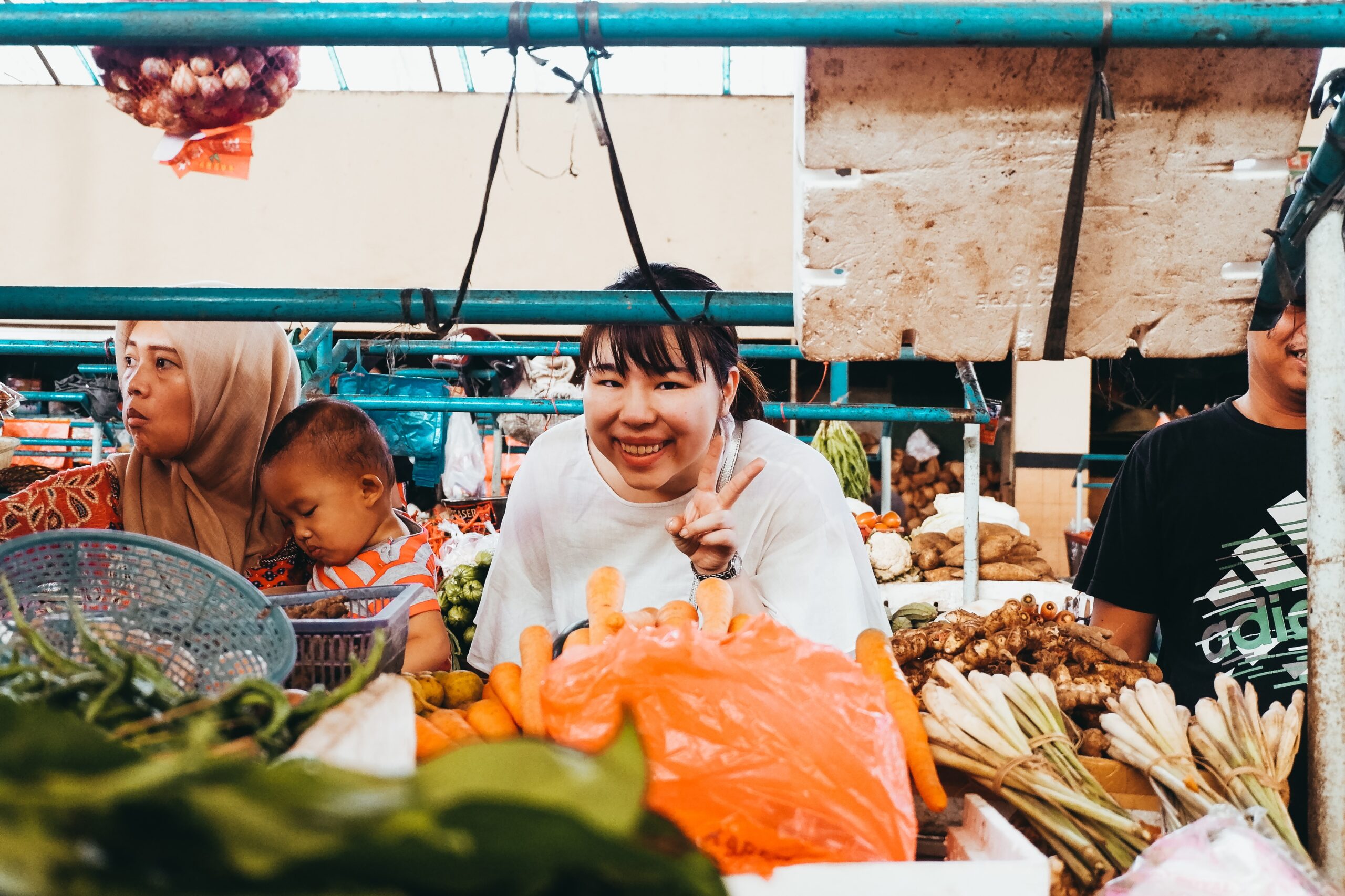
These travel patterns illustrate a broader global shift in tourism. More travelers are now prioritizing personal and authentic experiences that allow them to connect with local communities. Instead of limiting their trips to famous destinations, they are exploring new regions that offer distinctive cultures, breathtaking natural landscapes, and a wide variety of recreational activities.
As demand continues to evolve, accommodation platforms such as Airbnb are seeing stronger interest in unique properties that provide immersive local experiences. This trend is expected to support the growth of emerging destinations across Indonesia while extending the economic benefits of tourism well beyond the country’s traditional travel hotspots.