


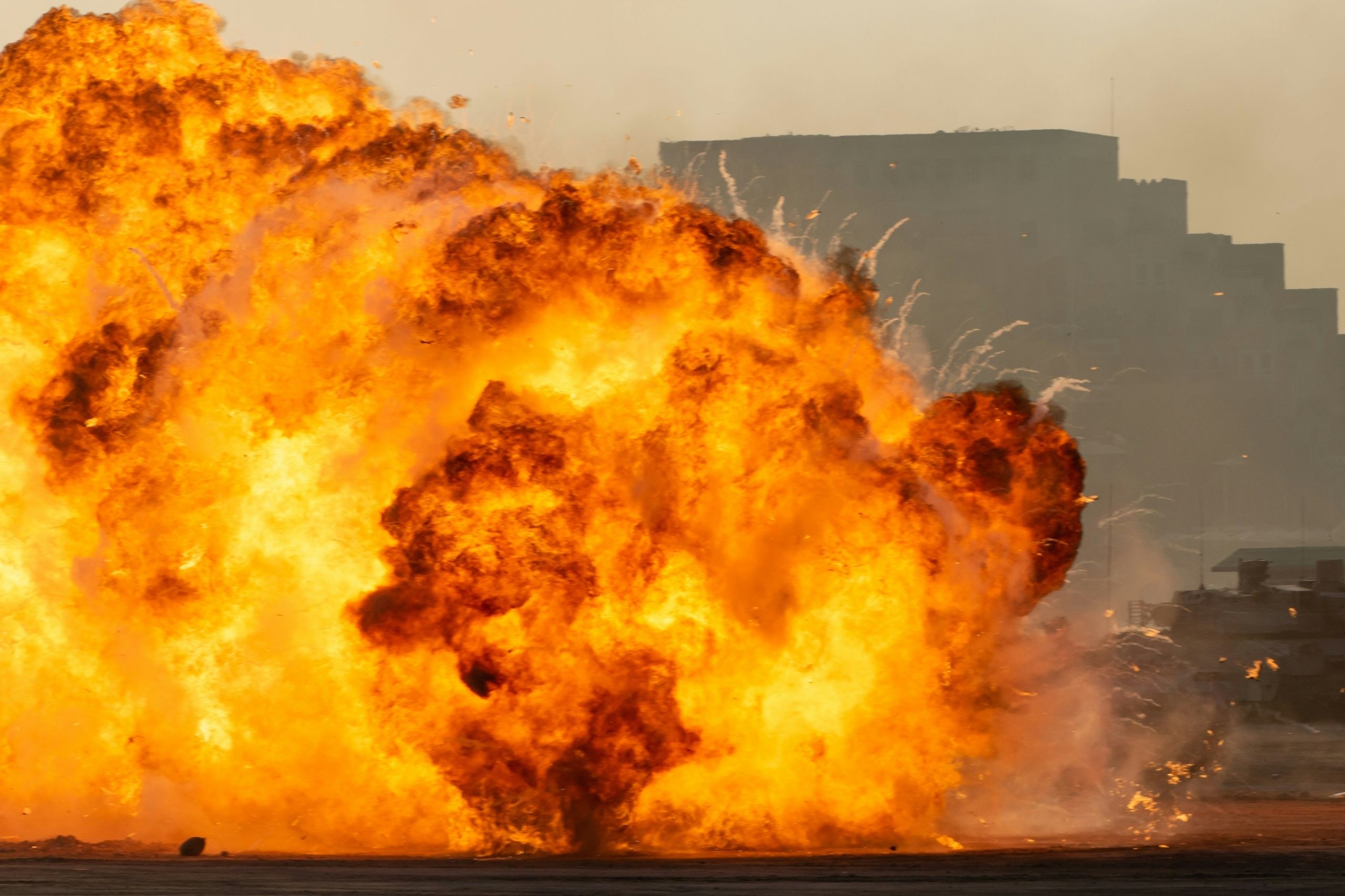

Tensions in the Middle East are no longer just a regional issue. The war involving the United States and Israel against Iran is now seen as a crisis that could drag on and shake the global economy. For Indonesia, the ripple effects may reach key sectors such as logistics and tourism.
Indonesian foreign policy experts have begun assessing the risks. Hikmahanto Juwana, Professor of International Law at the University of Indonesia, believes the conflict has intensified following the death of Iran’s Supreme Leader, Ali Khamenei. In his view, the new leadership in Tehran is taking a harder line.
“This is not what Donald Trump expected. Trump hoped that, like in Venezuela, after the leader was captured, the successor would be willing to make peace and submit. But the opposite has happened, so the war in Iran has the potential to last a long time,” Hikmahanto said, as quoted by CNBC Indonesia on Monday (2/3/2026).
He explained that Iran’s retaliation targeted Middle Eastern countries hosting US military bases used in attacks against Iran. Some missiles, however, missed their targets and struck civilian infrastructure, including airports and buildings.
“This has been interpreted by the Gulf countries as an Iranian attack against them, so they are now preparing to attack Iran,” he said.
Hikmahanto stressed that Indonesia must prepare for the possibility of a prolonged conflict. One major concern is the potential closure of the Strait of Hormuz, a critical global oil route.
“If the Strait of Hormuz is closed, the impact will be a slowdown in the global economy, which will affect the national economy and push up inflation,” he warned.
He also pointed to domestic political implications in the United States. The war, he said, could influence political dynamics around Donald Trump.
Read also: Gili Trawangan Named World’s Best Swimming Spot for 2026
“This war issue will determine whether there is an impeachment effort, because the government is required to consult with Congress before going to war,” he said.
Former Deputy Foreign Minister and Founder of the Foreign Policy Community of Indonesia, Dino Patti Djalal, shared similar concerns. He noted that the international community was shocked by the US and Israeli strikes on Iran, especially since they occurred during Ramadan.
“This shows a lack of sensitivity to the sentiments of the Muslim world,” Dino said.
According to Dino, the objective of the attack appears to go beyond limiting Iran’s nuclear capabilities. He believes the broader aim is to topple the government in Tehran. To achieve that, multiple strategies could be deployed, including military operations, political opposition efforts, mass mobilization, and intelligence actions. Iran, he added, is unlikely to remain passive.
From an economic perspective, Coordinating Minister for Economic Affairs Airlangga Hartarto said rising global oil prices are unavoidable following the outbreak of war involving Iran, the United States, and Israel. Oil supply disruptions are almost certain if the Strait of Hormuz is shut, compounded by tensions in the Red Sea. The overall impact will depend heavily on how long the conflict continues.
Airlangga also warned of broader economic consequences for Indonesia. Beyond oil prices, transportation and logistics could face serious disruptions. Tourism may also suffer, particularly with fewer visitors expected from the Middle East.
“First, oil supply will definitely be disrupted. Second, transportation and logistics. And third, of course, we see that tourism will be severely affected,” he said.
As for Indonesia’s exports, Airlangga said the outcome remains uncertain. The scale of the impact will hinge on the duration of the war. The government, he emphasized, will continue monitoring developments closely.
“Yes, it depends on how long it lasts. We will just monitor whether this war is prolonged, or a 12-day war, or how far it goes,” he said.
With geopolitical tensions escalating and global markets on edge, Indonesia now faces the challenge of navigating economic uncertainty while preparing for scenarios that could reshape trade flows, energy supply, and regional stability.