



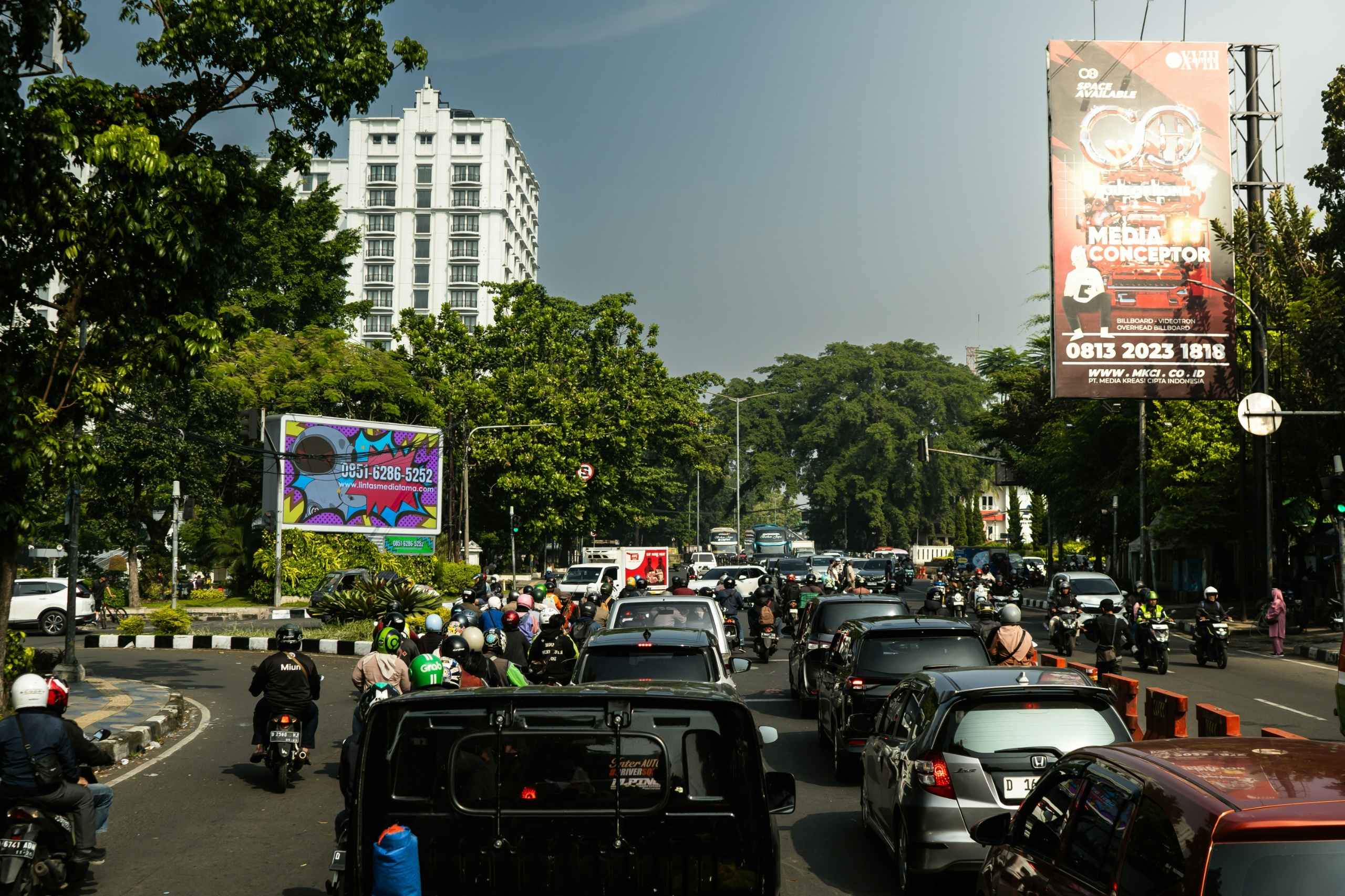

Bandung once again proved why it remains one of Indonesia’s favorite holiday destinations. The city’s cool climate, famous culinary scene, creative spaces, and endless rows of aesthetic cafés pulled in large numbers of travelers during the long weekend for the Ascension of Jesus Christ holiday. As roads leading into the city became increasingly crowded, many travelers chose a different route by leaving their cars behind and taking the train instead.
Rail transportation saw a major increase in demand during the holiday period. PT Kereta Api Indonesia (KAI) reported a sharp rise in passenger movement across the Bandung Operational Area 2 region during the May 13 to May 17, 2026 long weekend.
As of Saturday, May 17, 2026, at 10:00 a.m. WIB, a total of 91,678 long-distance train passengers had departed from stations located within the Daop 2 Bandung area, which stretches from Purwakarta to Banjar.
The increase came as traffic heading toward Bandung reached extremely high levels. On Friday, May 15, 2026, around 87,918 vehicles were recorded entering Bandung. Facing long traffic queues, many travelers appeared to choose trains as a more practical alternative with more predictable travel times and a more comfortable journey.
Among the train services operating during the holiday period, the Parahyangan Train became one of the most popular choices for travelers.
Based on temporary data recorded on May 17, 2026, at 10:00 a.m. WIB, a total of 18,006 passengers had already used or were scheduled to travel using the Parahyangan Train during the long weekend period.
Several other long-distance train services operating at Bandung Station also reported heavy passenger volumes. Those services included Papandayan Train, Argo Wilis Train, Malabar Train, Sangkuriang Train, Lodaya Train, Ciremai Train, and Harina Train.
Passenger movement was also highly visible on routes connected directly to Bandung. So far, the Bandung to Gambir route served 8,038 passengers, while the Gambir to Bandung route recorded 7,624 passengers.
Read also: Banyuwangi Welcomes 47,000 Tourists During Long Weekend Surge
KAI Vice President of Corporate Communication Anne Purba said the travel trend showed that rail transportation remains highly attractive, especially for short intercity trips.
“Bandung has a complete tourism character, ranging from its cool atmosphere, culinary attractions, creative areas, to many family activity options. Trains have become a preferred choice because the journey feels more practical and passengers can enjoy their holidays in a more relaxed way,” Anne Purba said.
Travel activity was not limited to long-distance services alone. Local train operations across West Java also experienced strong demand during the holiday period.
Between May 13 and May 16, 2026, a total of 208,942 passengers used local train services within the Daop 2 Bandung area, including the Bandung Raya Commuter Line and Garut Commuter Line.
That figure increased by 2.87 percent compared to the previous week, from May 6 to May 9, 2026, when passenger numbers reached 203,112.
The increase suggests that mobility throughout Greater Bandung and Garut remained active during the long holiday. People continued traveling for tourism, family visits, and daily activities.
Another transportation service that saw rising demand was the Whoosh high-speed train.
Over the four-day period from May 13 to May 16, 2026, the service carried 75,097 passengers. The number represented a 17.80 percent increase compared to the previous period from May 6 to May 9, when 63,748 passengers were recorded.
Anne explained that the latest travel pattern once again highlighted the role of rail transportation in supporting mobility toward tourism areas and major activity centers across West Java.
“Rail transportation helps people enjoy a more comfortable and predictable journey during long holidays. Passengers also have more time to enjoy the city atmosphere, gather with family, and travel in a more relaxed way,” Anne said.
As long holiday travel patterns continue shifting toward convenience and efficiency, trains appear to be strengthening their role as one of the preferred ways for travelers to reach Bandung and other destinations across West Java.