



A visit to Komodo National Park may soon feel very different. Fewer crowds. More space. And stricter control. Since April 1, 2026, the government has officially limited the number of visitors entering the park. The new rule sets a daily cap of 1,000 people.
It is a move that quickly sparked debate, but the goal is clear. Protect the environment while maintaining the park’s status as a premium destination.
The discussion did not stop at policy announcements. A hearing between the West Manggarai Regional House of Representatives and the Komodo National Park Authority explored how this quota will work in practice.
On paper, the limit equals 365,000 visits per year. The daily average remains at 1,000 visitors. However, the distribution will not be flat. Authorities will rely on past data to adjust quotas between peak and low seasons.
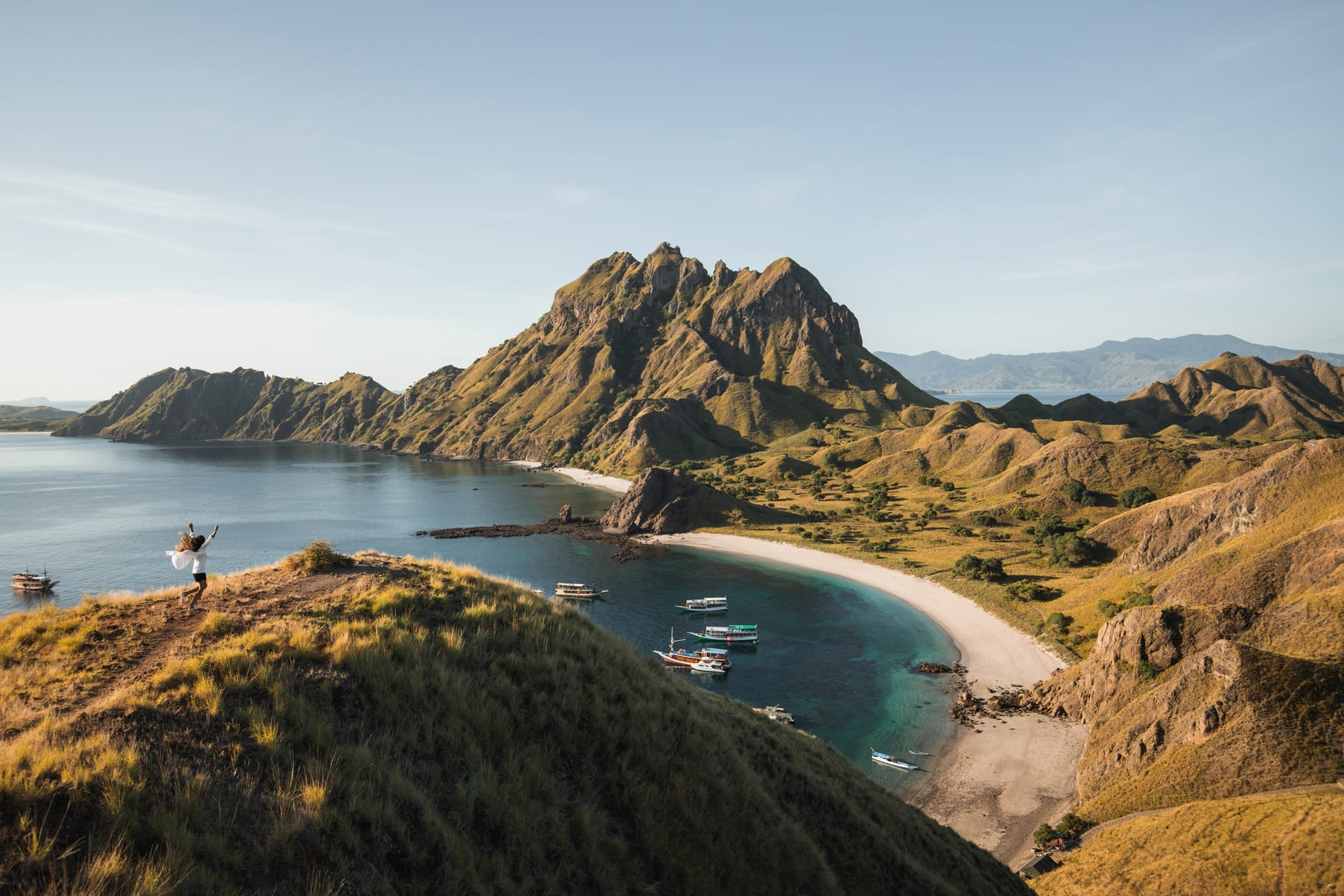
The difference between those seasons is significant. In 2025, the highest daily number reached 1,755 visitors. That spike happened on Padar Island on July 22. Under the new system, excess capacity from quieter months will be shifted to busier periods in a proportional way.
According to Hendrikus Rani Siga, Head of the Komodo National Park Authority, this policy is part of a broader effort to manage the park’s carrying capacity.
The reasoning goes beyond numbers. Too many visitors can reduce comfort. Crowded spaces take away from the experience. At the same time, the park’s image as a premium destination could suffer.
Hendrikus made it clear that doing nothing was not an option. Without limits, the park risks losing its reputation. One detail stands out. Cruise ship tourists are not included in the daily quota. This ensures their arrivals do not interfere with the set limit. The entire policy is built on data from previous years.
“We distribute the remaining quota across all months in a year proportionally, based on last year’s data on peak and low seasons,” he explained.
Read also: Bali Seeks New Child Custody Law After Rise in Mixed Marriage Disputes
The foundation of this decision goes back several years. A carrying capacity study conducted since 2018 concluded that the ideal number of visits should stay around 366,000 per year.
Once that threshold is exceeded, the risks grow. The ecosystem becomes harder to protect. The balance starts to shift.
Tourism growth in recent years has already shown its impact. Overcrowding has become more visible. More importantly, it has begun to affect the natural behavior of the Komodo dragon. Vegetation and habitats have also faced damage.
This is why the restriction is not just about control. It is about conservation. The aim is to protect the park in the long run, not just manage it today.
The approach also reflects how leading national parks around the world operate. The concept is simple. Limit visitors to match what nature can handle. Give ecosystems time to recover.
In the end, the balance matters. Visitors still get the experience they came for. The environment stays protected. And the future of the park remains secure.