



Bali is preparing for a major change in how its tourism industry uses energy. Five of the most popular tourist areas in Bali have now been designated as low-emission zones, with hotels and restaurants in those areas required to use solar power.
The policy covers Nusa Dua and Kuta in Badung Regency, Ubud in Gianyar Regency, Sanur in Denpasar City, and the Nusa Penida Islands in Klungkung Regency.
The move is part of Bali’s broader plan to make tourism more sustainable. The provincial government is promoting green development as a way to improve the quality of the tourism industry while reducing its environmental impact.
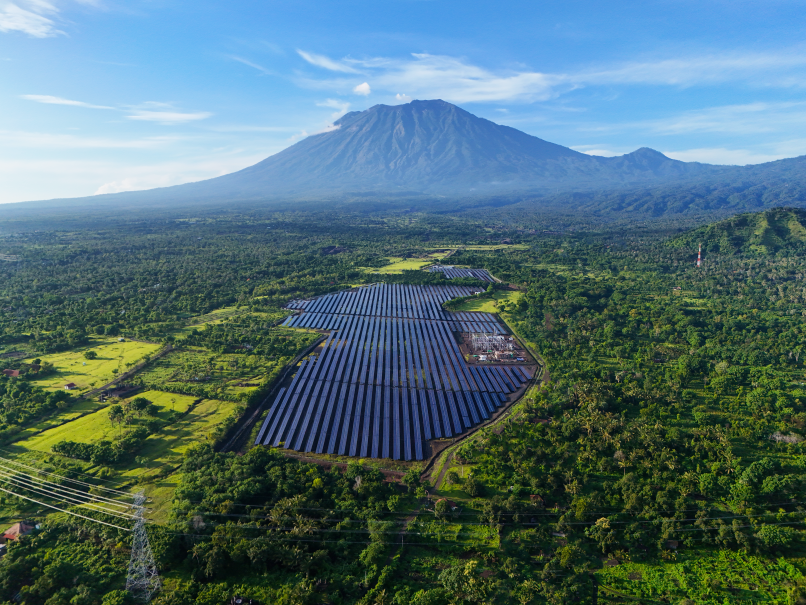
Five key areas will support the program. The first is green energy, which includes installing solar power plants at hotels, restaurants, villas, offices, and homes.
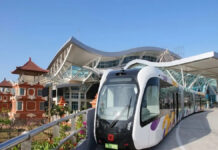
The second is green mobility. This focuses on the wider use of battery-powered electric vehicles.
The third is the development of a green ecosystem. The government plans to expand land cover and protect forest areas.
The fourth is green tourism. One of its main goals is reducing the use of single-use plastics.
The final pillar is the green community, which places greater emphasis on local wisdom and community participation.
“We have already restricted single-use plastics, implemented clean energy through electric vehicles, and utilized solar power plants, but this year we must accelerate these efforts. If we can make this happen, Bali’s tourism industry will become even higher quality. We should not continue to rely solely on hotel and restaurant tax revenues, but must prepare a structured concept for Bali’s future development,” Bali Governor Wayan Koster said during the Coordination Meeting on Emission Zone Preparations on Wednesday (August 5, 2026), as quoted by detikBali.
For Koster, the transition to cleaner energy is also about making Bali less dependent on outside electricity supplies.
The island currently relies partly on electricity delivered through undersea cables. Koster warned that any disruption to this infrastructure could affect major sectors, including tourism.
“Why do we need to make Bali energy independent? Because undersea cables, which are vital infrastructure for transmitting high-voltage electricity between islands, can be disrupted at any time due to natural factors and other causes. Therefore, I encourage everyone to switch to solar power plants,” Koster said.
He also sees solar power as a practical option for Bali. It can provide cleaner energy while potentially reducing costs.
Air quality is another concern.
Read also: A 1 GW AI Factory Could Put Indonesia on the Regional AI Map
“Mengapa udara harus bersih? Karena kita hidup menghirup udara, kalau udara ini kotor, maka yang kita hirup itu kotor dan akan menyebabkan kesehatan kita terganggu,” Governor Koster explained. He has also installed rooftop solar panels at his home in Sembiran Village, Buleleng.
Electricity demand is becoming a bigger issue as Bali’s economy continues to grow.
Koster said electricity demand across the island could exceed 1,200 MW this year, while available capacity is slightly above 1,400 MW. By 2027, he expects demand to rise beyond 1,400 MW.
“So if we don’t prepare for this from now, starting in 2027, electricity supply will have to be rotated. If power has to be supplied on a rotational basis, tourism areas in Badung, Denpasar, and Gianyar cannot be allowed to experience that,” he said.
The government is now preparing the next stage of the low-emission zone policy. Koster has asked the Head of the Bali Provincial BRIDA and the relevant regency and city authorities to work on the details.
“BRIDA must work together with the Expert Group and relevant agencies to formulate the Low Emission Zones. Map out which areas can be treated and which cannot. Hotels, restaurants, villas, offices, and homes in these areas must then be encouraged to use rooftop solar power plants, with the Licensing Agency involved in the process,” he stressed.
The plan is designed to make Bali’s tourism growth more resilient. Cleaner energy, lower emissions, electric mobility, better environmental protection, and greater community participation are expected to become part of how the island develops its tourism sector.