




Indonesia has connected around 90% of its population to internet services. But according to Deputy Minister of Communication and Digital Affairs Angga Raka Prabowo, reaching that level of coverage is only part of the country’s digital journey. The next challenge is making sure the connections people have are fast, reliable, affordable, and useful in their daily lives.
Angga said Indonesia now needs to look beyond the question of whether people are connected into internet. Improving the quality of connectivity will require closer cooperation between the government and the technology industry, especially as technological development continues to move quickly.
“We are not only talking about internet connectivity in Indonesia itself. We are talking about how to make its quality better. This requires synergy between the government and industry. Technology is also advancing so rapidly today, and this is the spirit that we are currently trying to foster,” Angga said after attending the 81st Postel Service Day Commemoration Ceremony 2026 in Bandung on Sunday (September 27, 2026).
One example of this government-industry cooperation can be seen in Indonesia’s recent work on telecommunications frequency bands. Angga highlighted the release of the 700 MHz and 2.6 GHz frequencies by the Ministry of Communication and Digital Affairs (Komdigi), which also held an auction for the frequencies some time ago.
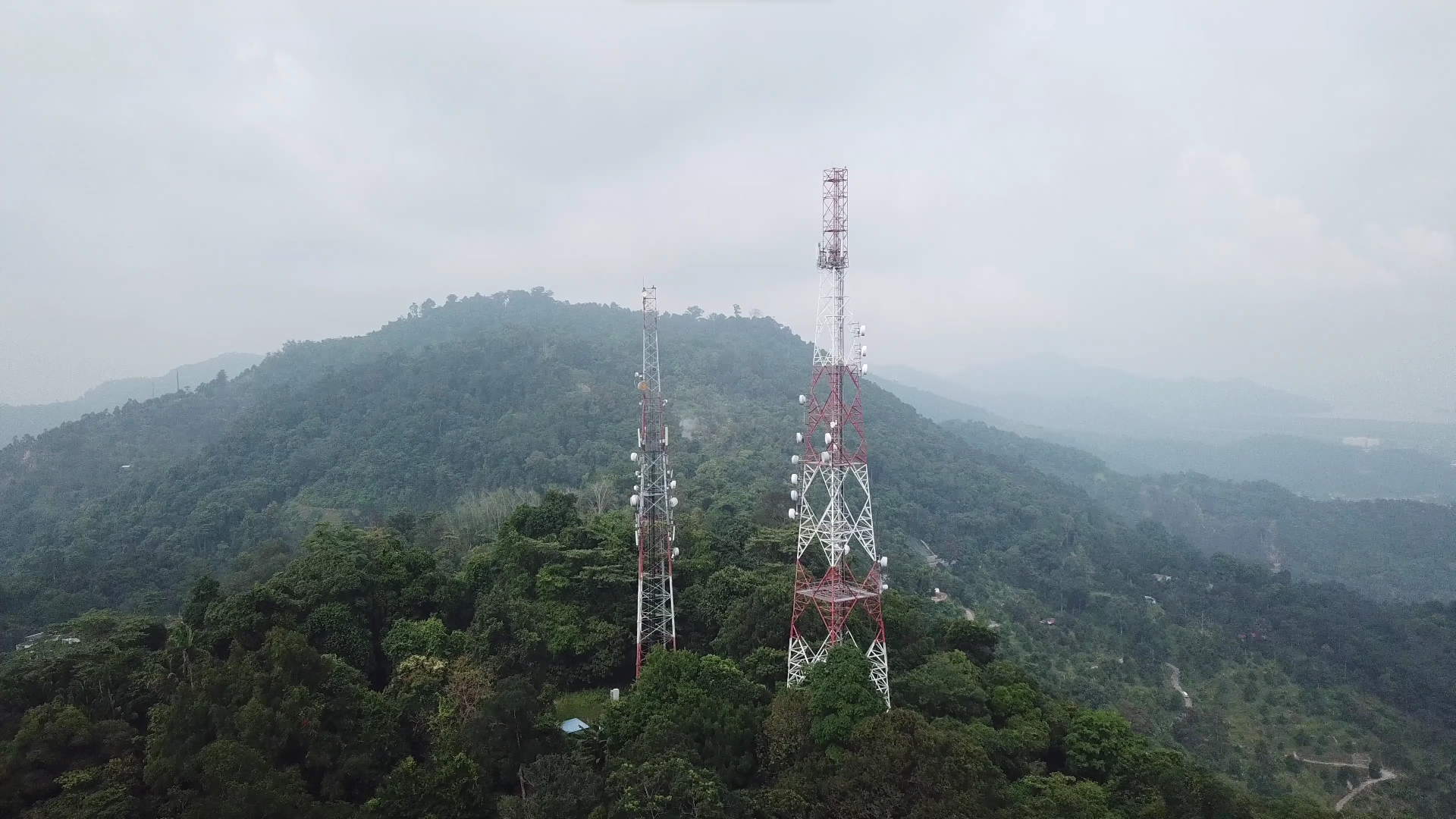
Both bands have an important role to play for mobile operators, although they serve different purposes. The 700 MHz frequency is expected to help expand coverage into areas that still experience blank spots. Meanwhile, the 2.6 GHz frequency is intended to support the continued development of 5G networks and improve overall network quality.
The government expects the deployment of the 2.6 GHz band to contribute to faster 5G development over the next several years.
“We hope that with the deployment of 2.6 GHz, over the next three years we will see 5G technology in Indonesia develop more rapidly and improve further, especially in terms of service quality for the public and, of course, affordable prices,” Angga said.
Read also: Jakarta Positions Itself as Indonesia’s Great Hub for Global Tourism
For Indonesia, the expansion of digital connectivity is also tied to a much broader question about how technology affects society. During his speech at the 81st Postel Service Day commemoration, Angga highlighted the importance of the nation’s digital capabilities as more aspects of everyday life move into the digital space.
Connectivity itself, he suggested, should not be treated as the final measure of progress. Instead, attention should be given to what people can actually do once they are connected.
He raised several questions about the impact that digital access should have on people’s lives.
“Do children gain better access to education? Do MSMEs gain access to broader markets? Can people access public services more easily? And does technology create more opportunities to improve people’s welfare? This is the direction of digital development that we need to continue promoting,” he explained.
These questions point to the government’s broader expectations for technological development. Better connectivity should translate into practical benefits, rather than simply increasing the number of people who can access the internet.
Technology is expected to make daily life easier while helping people become more productive and improving their safety. The government also wants those benefits to be accessible to communities throughout Indonesia, rather than being concentrated in certain areas.
Achieving that goal requires digital transformation to be developed as a whole. Connectivity must become more evenly distributed, while the quality of internet services also needs to improve.
“Therefore, we must build Indonesia’s digital transformation in a comprehensive way. The digital transformation we develop must ensure that people become increasingly connected through equitable and high-quality connectivity. They must also have room to grow through economic opportunities and innovation,” Angga said.
This approach puts quality alongside coverage as Indonesia continues developing its digital infrastructure. With 90% internet connectivity already achieved, the focus is increasingly shifting toward what that connectivity can deliver, from better access to education and public services to wider opportunities for MSMEs, economic growth, innovation, and improved welfare.