




Jakarta is preparing for a lively Lunar New Year (Chinese New Year or Imlek), and the celebration is not just about tradition. It is also about momentum. As the city welcomes the 2026 Lunar New Year, shopping centers across the capital are being positioned as key drivers of public activity, economic movement, and shared celebration.
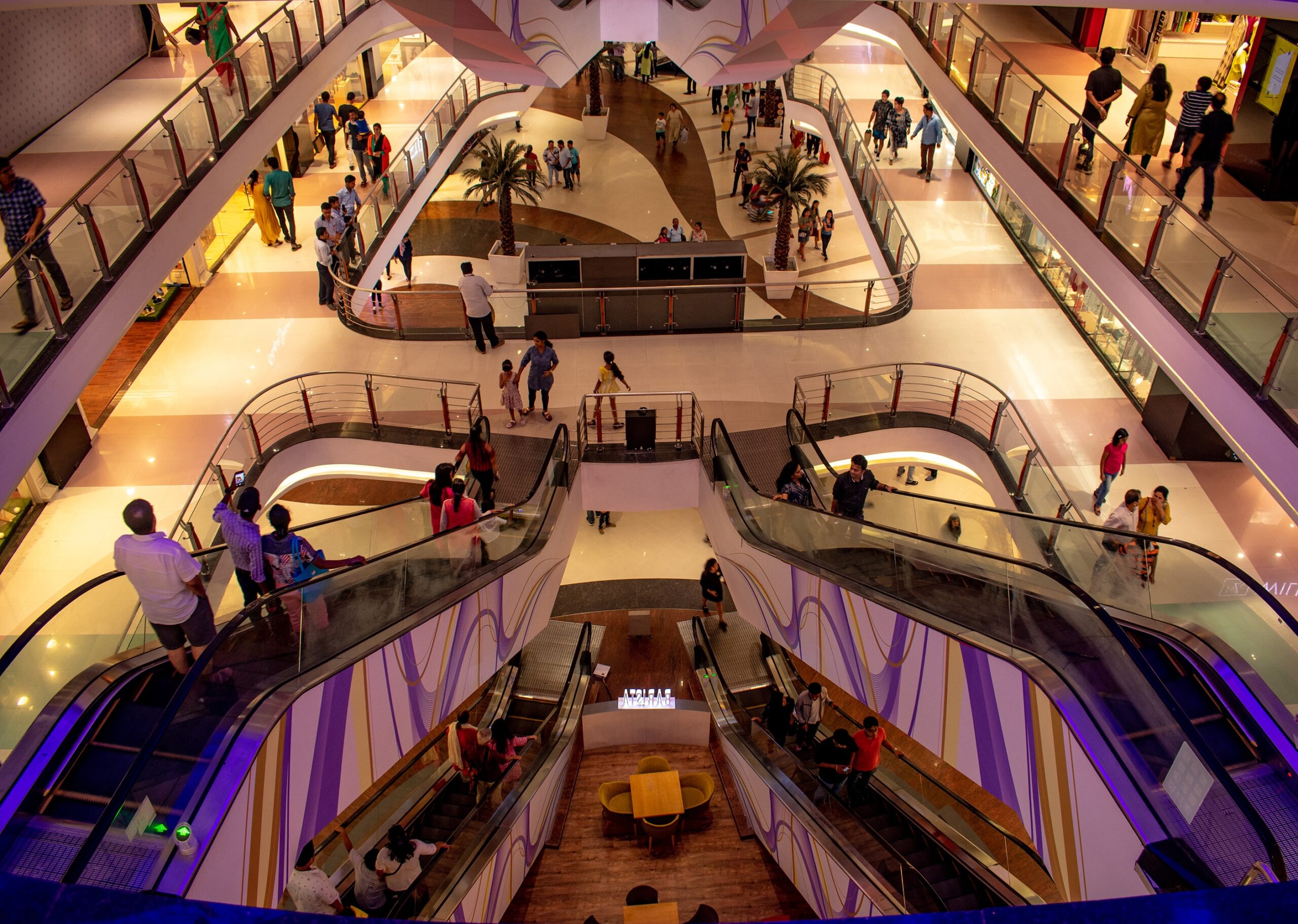
The DKI Jakarta Provincial Government has invited residents to take part in a wide range of events and promotions held at malls and shopping centers throughout the city. In total, 98 shopping centers are involved, each hosting different competitions, performances, and promotional programs to enliven the Lunar New Year atmosphere.
DKI Jakarta Regional Secretary Uus Kuswanto emphasized that shopping center activity plays a crucial role in supporting Jakarta’s economic growth. Speaking at the opening of the Jakarta Lunar New Year Festival 2026 on Sunday (8/2), he highlighted how collaboration has become a major factor behind the city’s strong performance.
“The Governor explained why Jakarta’s economic growth has increased so significantly. It turns out there are several programs carried out in collaboration with all economic players in Jakarta,” Uus said.
The event, organized by the Indonesian Shopping Center Management Association (APPBI) DKI Jakarta, also served as a platform to reflect on Jakarta’s economic progress. Uus noted that the city recorded economic growth of 5.21 percent throughout 2025, surpassing the national average. According to him, this achievement cannot be separated from consistent cooperation between the provincial government and business stakeholders.
“So what has happened is inseparable from the efforts of various stakeholders. Of course, the DKI Jakarta Provincial Government invites all economic players to work together to help boost Jakarta’s economy,” he added.
From the retail sector’s perspective, the Lunar New Year is seen as more than a cultural celebration. APPBI DKI Jakarta Chairman Mualim Wijoyo described it as a strategic moment to strengthen social togetherness while reigniting growth in retail and tourism.
To support that goal, APPBI has curated a series of Lunar New Year themed activities across participating shopping centers. These include festive events as well as promotional programs designed to attract visitors and encourage spending.
Read also: Bukittinggi Wins ASEAN’s Cleanest Tourist City Award 2026
“We want to create a festive celebration atmosphere for the public while also increasing visits and transactions at malls,” Mualim said.
He explained that the Lunar New Year holds a similar position to Ramadan in the public calendar. Both periods are eagerly anticipated, particularly because they are often accompanied by special events and sales promotions.
“Lunar New Year is always an eagerly awaited moment, and the day after Lunar New Year marks the start of Ramadan, which certainly has a positive impact on the retail industry,” Mualim added.
The celebrations at the 98 shopping centers will feature a wide variety of attractions. Visitors can expect barongsai and lion dance performances, Lunar New Year themed decorations, cultural showcases, and interactive activities designed to engage families and young audiences alike.
Beyond festivities, there are also clear economic expectations. During this Lunar New Year period, APPBI is targeting total public transactions in Jakarta, including those at shopping centers and malls, to reach Rp10 trillion.
Mualim said the target is realistic, considering recent trends. During the Christmas and New Year holiday period, total transactions in Jakarta, particularly across hospitality, shopping centers, and micro, small, and medium enterprises, reached Rp15.25 trillion.
“Now Jakarta’s economy has improved. What used to be known as ‘rojali’, groups that rarely bought anything, has become ‘rojali’, groups that actually make purchases. This time we are targeting transactions to reach Rp10 trillion. It’s a target, and it could even be exceeded,” he said.
According to Mualim, consumer purchasing power is closely linked to how attractive shopping centers are. Events, decorations, and special programs all play a role in encouraging people to spend more time and money at malls. That is why major celebrations like the Lunar New Year are considered essential for the retail ecosystem.
“Usually at the end of the year or on national holidays, malls automatically offer discounts,” Mualim concluded.
As Jakarta steps into the 2026 Lunar New Year, the collaboration between government and business is once again being tested. This time, through festive lights, cultural performances, and ambitious transaction targets, the city hopes to turn celebration into sustained economic energy.