




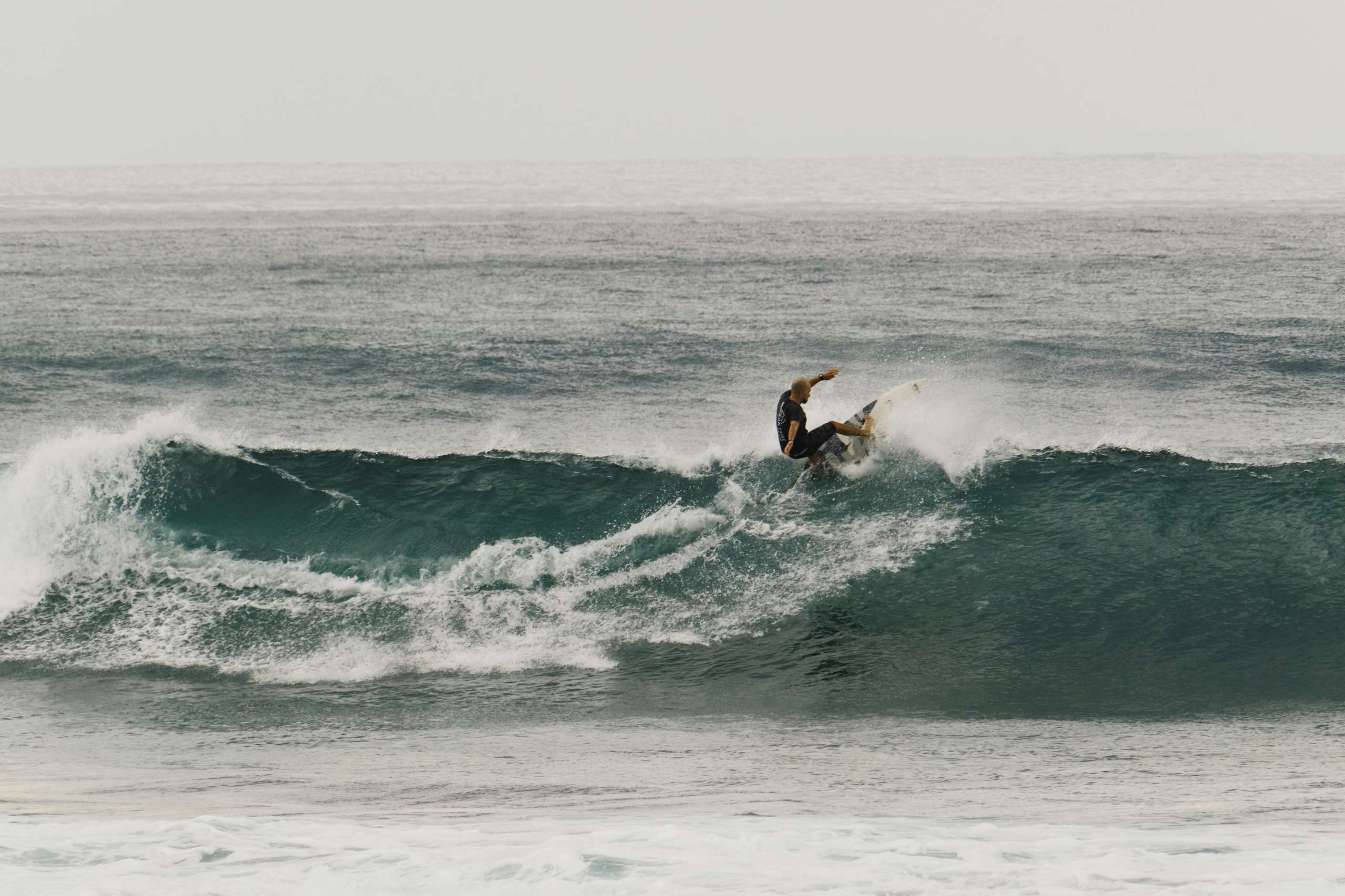

Ask surfers where they keep going back, and one name keeps coming up. Indonesia. Not just once, but over and over again. For many travelers, the country already sits high on their bucket list. But inside the global surfing scene, it holds a different status. Indonesia is often seen as a true paradise for surfers. Some even call it the surfing capital of Asia. From the iconic waves of Uluwatu to lesser-known breaks across the islands, the appeal feels endless.
The scale alone explains part of it. Indonesia has a coastline stretching 54,716 kilometers. That means surf spots are not limited to one area. They spread from one end of the country to the other. In places like the Mentawai Islands, the experience becomes even more distinct. The waves here have built a reputation that few destinations can rival.
A review from Women and Waves Society, published on November 13, 2025, points to a key reason behind this reputation. Consistency. Many countries offer great waves, but only during certain seasons. Indonesia works differently.
Its location along the equator allows it to receive steady swells from the Indian Ocean throughout the year. Dry season or rainy season, it does not matter much. There is always a coastline somewhere with waves ready to be surfed.
Then there is the water itself. In many parts of the world, surfers need thick wetsuits just to stay in the water. Indonesia removes that barrier. The ocean stays warm. You can surf for hours wearing only boardshorts or a bikini. It sounds simple, but it changes the whole experience. The comfort level is hard to match, especially when compared to colder regions like Europe or America.
What makes it even more interesting is the variety. Indonesia is made up of thousands of islands. Each one comes with its own wave character. Beginners often head to places like Kuta Beach or Canggu, where the waves are more forgiving. More experienced surfers look elsewhere. Spots like “G-Land” in Banyuwangi or the breaks around the Mentawai Islands offer long, barreling waves that demand skill and control.
This range creates space for everyone. No matter the level, there is always a place that fits.
Read also: Semeru Reopens on April 24, 2026, Hiking Limited to Ranu Kumbolo
But the experience does not stop at the waves. What surrounds the ocean plays just as big a role. The same review highlights how the setting adds another layer to surfing in Indonesia. Picture catching a wave while the sun sets behind a temple. Or paddling out with tropical forests and limestone cliffs in the background.
Moments like that stay with people. They turn a regular surf session into something harder to forget.
Put it all together, and the picture becomes clear. Indonesia offers strong, consistent waves. The water stays warm. The scenery adds something extra. That combination is not easy to find in one place.
This is why Indonesia continues to stand out on the global surfing map. And why, for many surfers in Indonesia, it feels less like a destination and more like a place they keep returning to.