



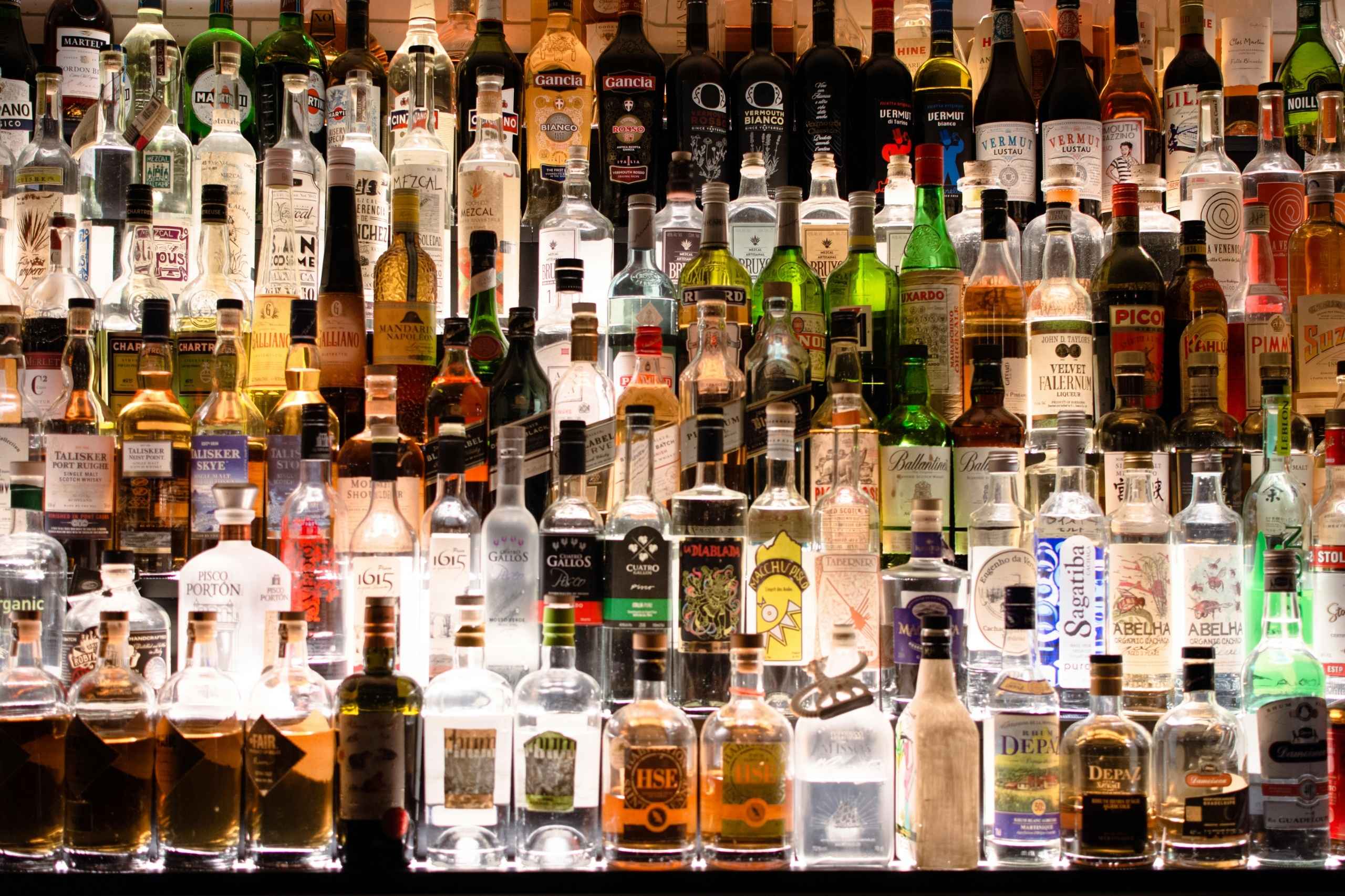

Indonesia’s decision to bring in alcoholic beverages from the United States has drawn attention, especially after officials revealed the numbers behind the policy. In 2025, Indonesia imported US alcohol products worth USD 86.1 million. The government says the move is tied to one key goal: strengthening the country’s tourism sector.
That figure, however, represents only a small slice of the bigger picture. Total alcoholic beverage imports in 2025 reached USD 1.23 billion. Products from the US alcohol accounted for just seven percent of that amount in Indonesia.
“The amount is relatively small compared to imports from European countries,” the Coordinating Ministry for Economic Affairs stated in a press release regarding the Indonesia–US Reciprocal Trade Agreement, or The Agreement on Reciprocal Trade (ART), which was signed on Thursday, February 19, 2026, in Washington, DC.
Officials argue that expanding the variety of imported alcoholic beverages supports Indonesia’s position as a global tourism destination. According to the government, offering a wider range of high-quality products can make the country more competitive internationally and encourage higher tourism spending.
“The availability of diverse and high-quality products supports the competitiveness of Indonesia’s industry as an international destination and increases tourism spending,” said Haryo Limanseto, spokesperson for the Coordinating Ministry for Economic Affairs, in a statement on Sunday (22/2/2026) regarding the Indonesia–US Reciprocal Trade Agreement.
Despite opening the door to US imports, the government insists that domestic producers remain a priority. Haryo emphasized that Indonesia will continue protecting and promoting locally made alcoholic beverages, including beer and wine, positioning them as leading export products.
Read also: Whoosh Offers Rp 200,000 Ramadan Group Promo for Jakarta–Bandung Trips
He also underlined that all imported alcoholic beverages from the US must comply with Indonesian regulations. This includes licensing requirements, information disclosure obligations, and food and beverage safety standards enforced by BPOM.
“All imported alcoholic beverages remain subject to licensing requirements, information disclosure rules, and food and beverage safety regulations under BPOM,” Haryo said.
Reiterating the data, Haryo noted that Indonesia’s total alcoholic beverage imports in 2025 stood at USD 1.23 billion.
“The value of alcoholic beverage imports from the US is around USD 86.1 million (only 7 percent of the total alcoholic beverage import value). The amount is relatively small compared to imports from European countries,” he said.
Through this policy, the government maintains that the objective is not to flood the market, but to complement existing offerings while maintaining regulatory oversight and supporting tourism growth.