




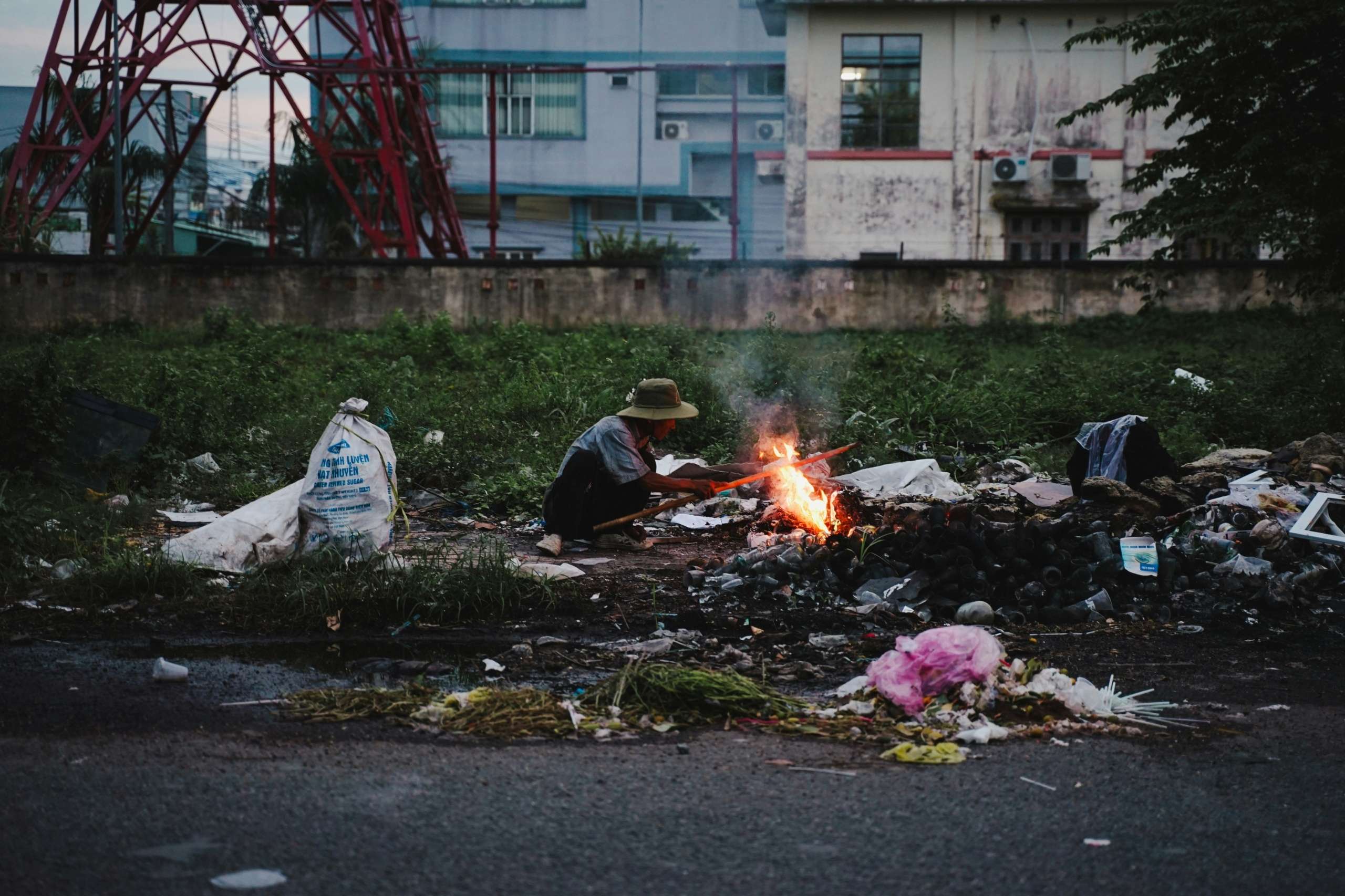

Burning trash in open spaces could now cost Jakarta residents more than just a warning. The city government is reinforcing a strict prohibition on the practice, with penalties that may extend beyond financial fines to public exposure on social media.
The Jakarta Provincial Government has emphasized that the ban on burning trash is firmly grounded in law. The rule is regulated under Regional Regulation No. 4 of 2019, which amends Regional Regulation No. 3 of 2013 on Waste Management. The regulation clearly states that individuals are not allowed to burn waste that fails to meet technical waste management requirements.
Violators face administrative sanctions, including fines of up to Rp500,000.
Head of the Pollution and Environmental Damage Control Division at the Jakarta Environmental Agency (DLH), Erni Pelita Fitratunnisa, underscored that the legal foundation for the ban is already in place. The government is now exploring ways to strengthen enforcement.
One proposal under discussion involves imposing social sanctions in addition to monetary fines. The idea is to create a stronger deterrent effect by publicly identifying offenders.
“Punishing or sanctioning members of the public by making them go viral is a form of social punishment. We are currently preparing the legal framework to ensure it does not violate privacy rights while still creating a deterrent effect,” Erni Pelita said.
According to city officials, the impact of open waste burning is not minor. The practice is estimated to contribute around 14 percent of Jakarta’s overall air pollution. It releases dangerous particulate matter such as PM2.5 and PM10, both of which are linked to respiratory health problems.
Read also: Singkawang Cap Go Meh Festival 2026 Draws National Spotlight
The risks increase when plastic waste is burned in densely populated areas. Toxic emissions from plastic combustion can contaminate rainwater and seep into the soil through microplastic deposits. Over time, this poses serious threats to public health and to the sustainability of urban ecosystems.
By tightening enforcement and considering additional sanctions, the Jakarta administration aims to address not only rule violations but also the broader environmental and health consequences associated with open waste burning.