


A health emergency unfolding thousands of kilometers away is drawing global attention and prompting countries to strengthen their preparedness systems. Ministry of Health (MoH) said that Indonesia continues to closely monitor global developments together with the WHO and international health networks in response to the declaration of Ebola as a Public Health Emergency of International Concern (PHEIC) in Congo.
The Democratic Republic of Congo is now facing an Ebola outbreak that has been officially classified by the World Health Organization as a PHEIC. While the situation has not been labeled a pandemic, the declaration signals that the outbreak carries enough risk to require coordinated international action and heightened vigilance across borders.
Indonesia is among the countries actively monitoring the development of Ebola. The Ministry of Health said it continues to follow the situation closely through coordination with WHO and global health networks to anticipate any potential impact.
Head of the Ministry of Health’s Bureau of Communication and Public Information, Aji Muhawarman, stated in Jakarta on Monday, May 18, 2026, that WHO officially designated the Ebola outbreak in the Democratic Republic of Congo as a health emergency on May 17, 2026.
“The declaration was made due to cross-regional and cross-border transmission, the high mortality rate, and the continuing uncertainty regarding the outbreak situation and the extent of its spread,” Aji said.
The outbreak has been centered in Ituri Province in DR Congo. Data reported up to May 16, 2026, recorded 246 suspected cases. Among them, eight were confirmed infections, while 80 deaths had been reported, resulting in a case fatality rate of 32.5 percent.
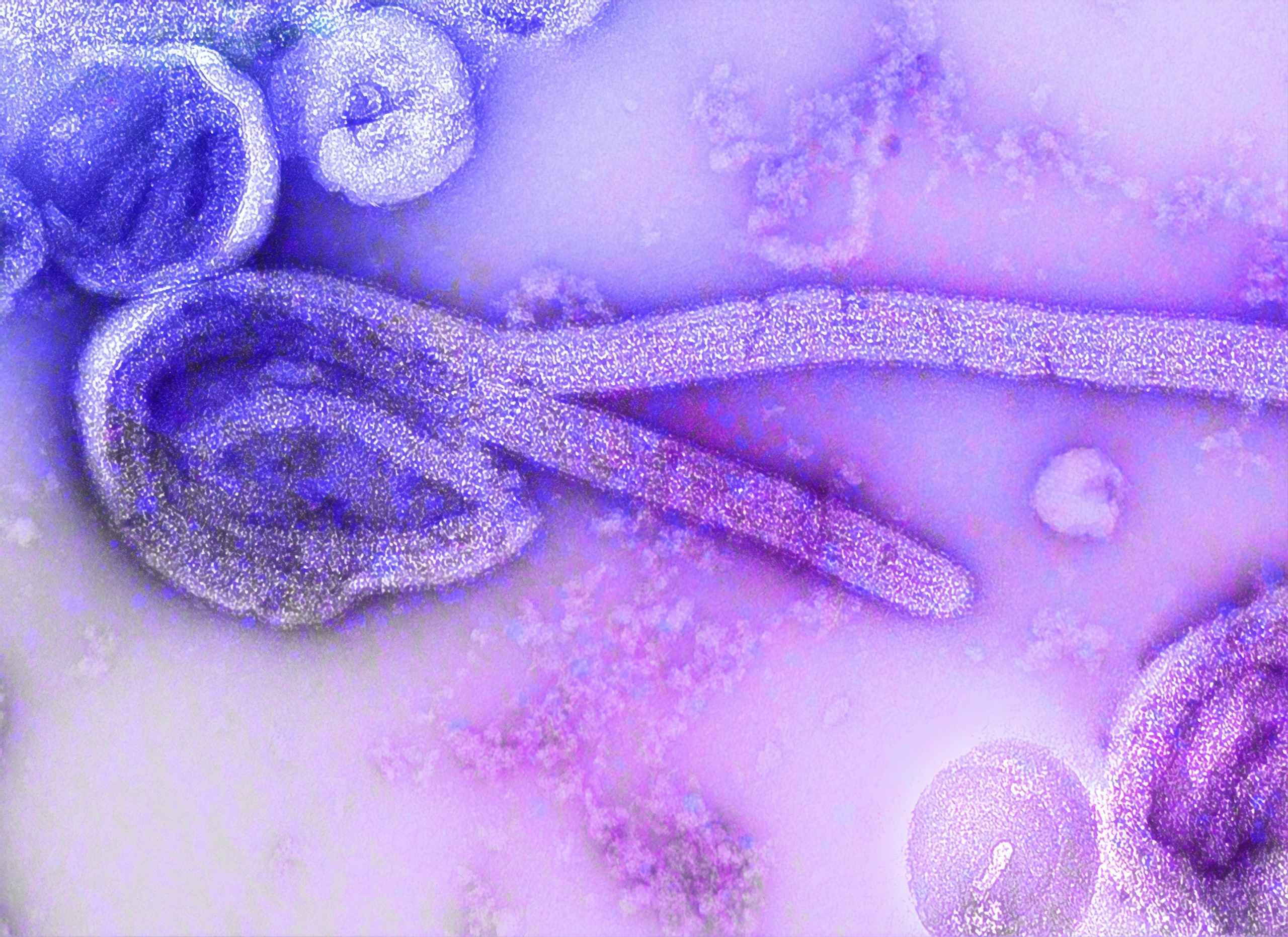
Health authorities identified the virus involved as Bundibugyo virus, one of the Ebola virus species.
The spread is no longer limited only to Congo. According to Aji, cases linked to travel from Congo have also been identified in Kampala, Uganda, and Kinshasa. WHO has raised concerns over several conditions that could increase regional transmission risks, including unstable security situations, high population movement, and limited healthcare infrastructure in affected regions.
“In addition to DR Congo, travel-related cases imported from Congo have also been reported in Kampala, Uganda, and Kinshasa. WHO assesses that security conditions, high population mobility, and limited healthcare facilities in affected areas increase the risk of regional transmission,” he explained.
Authorities in Congo and Uganda, together with WHO, have moved quickly to contain the outbreak. Their response includes deploying expert teams, activating emergency operations centers, conducting disease surveillance, distributing medicines and medical equipment, and strengthening public communication efforts.
Ebola itself spreads through direct contact with blood, bodily fluids, or contaminated materials from infected humans or animals. The virus can enter the body through the skin or mucous membranes.
Read also: Over 91,000 Train Passengers Travel to Bandung During Holiday Period
“Transmission occurs through direct contact with blood, bodily fluids, or contaminated objects from infected humans or animals that enter through the skin or mucous membranes,” Aji said.
Symptoms can appear suddenly and often begin with fever, weakness, muscle pain, and headaches. In some cases, patients may also experience vomiting, diarrhea, and bleeding. The incubation period generally ranges from two to 21 days.
At present, widely available specific treatment options remain limited. Medical management primarily focuses on intensive supportive care to help patients recover. Vaccines also exist in limited quantities and are mainly used to control outbreaks in African regions.
Because of these limitations, prevention and early detection remain key priorities.
Indonesia’s Ministry of Health said preparedness efforts involve cooperation across sectors and programs. Measures include strengthening disease surveillance systems, coordinating with healthcare facilities and entry points across the country, and ensuring readiness to detect and respond quickly if suspected cases emerge.
“Increased monitoring of travelers, especially those arriving from outbreak countries, is being carried out by deploying officers. If suspected cases are identified, they will be referred to designated hospitals according to infectious disease management protocols and reported through the Early Warning and Response System or the Public Health Emergency Operation Center (PHEOC),” he said.
The ministry is also preparing public education and risk communication programs to make sure people receive accurate information and practical guidance. Official information can be accessed through the Ministry of Health’s information platform.
Even with rising global attention surrounding the outbreak, authorities emphasized that panic is not the answer.
“The public is advised to remain calm and avoid panic about Ebola in Indonesia, while still staying alert. Follow global and national case developments through various media channels. Continue practicing clean and healthy habits, such as washing hands regularly with soap and water, wearing a mask when sick, and applying proper coughing and sneezing etiquette,” Aji said.