




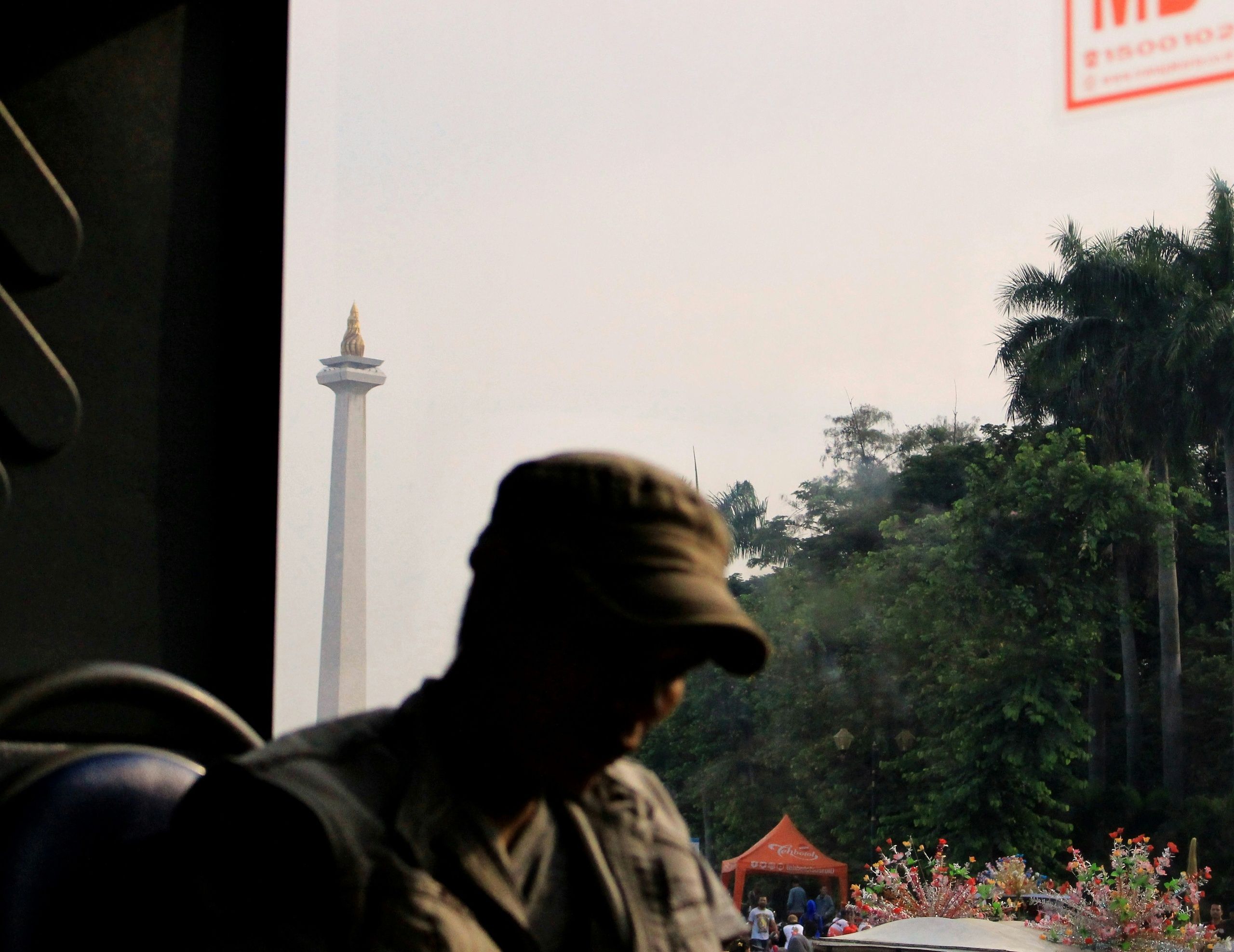

Step outside in Jabodetabek lately, and the heat hits differently. It feels sharper. Heavier. Many residents have started to notice the change, and the complaints are growing. At the same time, scientists are watching something unusual in the Pacific Ocean. That development could point to a possible El Niño in 2026.
The rise in temperature is not just a feeling. Badan Meteorologi, Klimatologi, dan Geofisika has confirmed a clear increase. According to BMKG forecaster Rira Damanik, maximum temperatures have reached 35 to 36 degrees Celsius of heat in Jabodetabek. The highest readings appear in North Jakarta and nearby areas.
“In the past few days, clear weather has dominated from morning to afternoon, making the temperature feel quite scorching,” she said on Monday, April 27, 2026.
The agency is asking people to stay calm, but not careless. The heat carries real risks. Dehydration can happen faster than expected. Heat stress is another concern. Even air quality can worsen during dry conditions.
“The public is advised to stay calm but alert, as extreme heat exposure can lead to serious health issues such as dehydration, heat stress, and even respiratory problems due to increased air pollution during dry conditions,” Rira explained.
She added a simple reminder that matters. Drink enough water. Use protection like hats when outdoors. Try to avoid direct sun during peak hours.
Behind this heat, there are several drivers at play. One of them is the sun’s position. It is currently near the equator, which increases the intensity of sunlight over Indonesia. At the same time, cloud cover has been minimal. With fewer clouds, sunlight reaches the ground without much resistance.
Another factor comes from the south. Dry easterly winds from Australia are dominating. These winds limit cloud formation, especially in areas south of the equator, including Jabodetabek. BMKG expects these hot and dry conditions to continue until early May 2026, mainly across southern Indonesia.
The impact is not limited to one region. In an official update, BMKG highlighted several areas with high temperatures. Ciputat stands out as one of the locations with the highest daily maximum temperature.
Monitoring stations in Medan, North Sumatra, and Ciputat, Banten, also recorded notable readings. Similar conditions appear across Kalimantan, including South Barito, North Barito, West Kotawaringin, and Banjarbaru. Other affected areas include Bengkulu, Bandar Lampung, Palu, and Banjarmasin.
On Java, the pattern continues. Subang, Semarang, Karanganyar, and Malang are all experiencing the same rise. Outside Java, Bulungan in North Kalimantan and Kapuas Hulu in West Kalimantan are also seeing significant heat.
With all this happening, questions about El Niño are starting to surface. Eddy Hermawan from the Climate and Atmospheric Research Center at BRIN addressed that concern. He said the current situation is still far from what some people fear, often referred to as a “Godzilla” El Niño.
“Is this related to a ‘Godzilla’ El Niño? That’s a much more complex issue. It is called ‘Godzilla’ depending on how strong it becomes around August or September. So we cannot yet define whether it will reach that level or not,” he said.
He stressed that such a label cannot be used lightly. It requires strict criteria.
“Defining a ‘Godzilla’ event must be done very carefully. First, the intensity must be high, meaning the sea surface temperature anomaly in the Pacific must exceed 2 degrees. Second, the duration typically lasts around 12 months, not just six. Third, there is also the probability factor,” he concluded.
For now, the heat in Jabodetabek and several areas in Indonesia is real. The cause is clear. But the bigger question about what comes next is still unfolding.