




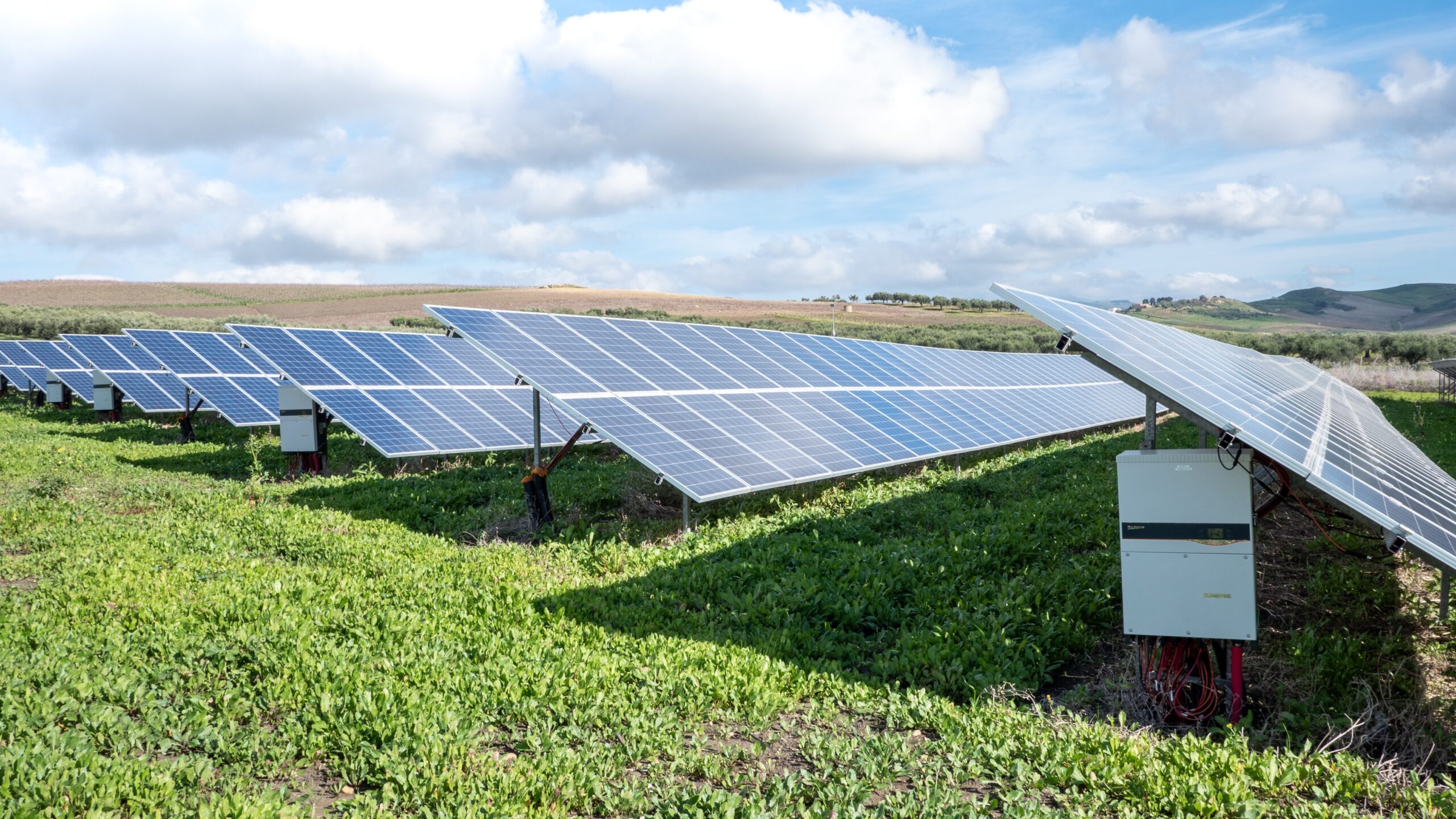

Indonesia holds immense untapped power beneath its skies, seas, and land. According to the Ministry of Energy and Mineral Resources (ESDM), the potential for new and renewable energy in Indonesia has reached a staggering 3,687 gigawatts (GW), with Sumatra emerging as the region with the greatest capacity.
Director General of New, Renewable Energy and Energy Conservation (EBTKE), Eniya Listiani Dewi, explained that Sumatra leads in renewable energy potential in Indonesia, followed by Java and Kalimantan.
“Sumatra has the biggest potential. It’s followed by Java, Kalimantan, and the eastern regions,” she said during the Indonesia Energy Transition Dialogue (IETD) 2025 on Monday (October 6, 2025).
Breaking down the total figure, solar energy dominates the list. Indonesia’s solar power potential alone reaches 3,294 GW. Wind energy follows at 155 GW, then hydropower at 95 GW, ocean energy at 63 GW, bioenergy at 57 GW, and geothermal energy at 24 GW.
“Solar power plants have the largest potential, followed by wind energy. Wind potential is also quite large at 155 GW, then hydro at 95 GW, bioenergy at 57 GW, and ocean energy as well,” Eniya added.
Read also: North Bali Airport Still Lacks Clear Location
This vast potential, she noted, strengthens the government’s determination to accelerate the clean energy transition. The focus is not only on expanding renewable energy but also on cutting greenhouse gas emissions more aggressively.
“During President SBY’s era, this was strongly encouraged, and now we must cut emissions even faster by doubling our energy efficiency efforts and tripling the share of renewable energy we currently have,” she stated.
Her remarks underline Indonesia’s growing urgency to shift toward cleaner, more sustainable power sources. As the nation continues its journey toward energy transformation, the challenge lies in turning its vast renewable potential into tangible progress for the future.













, with Sumatra emerging as...)