



A historic railway station in the heart of Europe turned into an unexpected runway for Indonesian heritage. At Antwerp Central Station, one of the world’s most admired train stations, the traditional Sasirangan fabric from Tanah Laut, South Kalimantan, stepped into the European spotlight and held it with confidence. This moment unfolded during the second edition of Indonesia Creative Week in Belgium.
Hundreds of visitors filled the station, most of them local Belgians who came not just to watch, but to engage. The event was also attended by the Ambassador of the Republic of Indonesia to Belgium, Andri Hadi, together with Ferial Hadi from the Indonesian Embassy in Brussels, underlining its role as a cultural diplomacy platform.
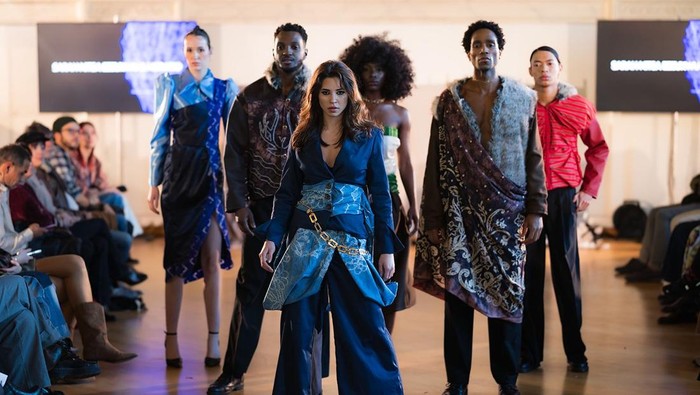
Rather than presenting tradition as something static, the event reimagined it. Eight designers from different parts of the world worked with Sasirangan fabric and shaped it into contemporary fashion pieces. The results felt modern, wearable, and familiar to European audiences, while the soul of the textile remained intact. The designers came from Belgium, the Netherlands, Spain, and Rwanda, creating a genuine cross cultural exchange through Indonesian traditional textiles.
Each designer presented original Sasirangan based creations directly on the runway. For Tanah Laut, this was more than a fashion show. It marked a meaningful step forward. The Chairwoman of Dekranasda Tanah Laut Regency, Hj. Dian Rahmat Trianto, described the moment as a milestone in the journey of Sasirangan toward global recognition.
“It is a great honor and source of pride for Dekranasda Tanah Laut to take part in Indonesia Creative Week Belgium at the historic Antwerp Central Station. Our presence marks an important step in introducing Tanah Laut’s Sasirangan to the global creative stage,” she said, quoted on Monday (22/12/2025).
Fashion was only one part of the story. The audience was also treated to a cultural performance by the Dwi Mekar dance group. Traditional dances filled the space, adding depth and rhythm to the visual experience and completing the cultural narrative presented that day.
The runway show closed on a personal note. Belgian artist Tinne Oltmans from Flanders took the stage for a special performance. Known for her Indonesian ancestry, her appearance created an emotional bridge between cultures and audiences.
Read also: Tips for Enjoying a Holiday in Bali During the Rainy Season
The following day, Antwerp Central Station evolved again. This time, it became an open cultural hub. Visitors wandered through food stalls offering Kalimantan specialties, listened to music, watched art performances, and explored a lively marketplace.
Sasirangan fabric and handmade crafts from Indonesian micro, small, and medium enterprises drew consistent attention. Visitors could not only admire the collections but also purchase them directly, turning appreciation into tangible support for Indonesian creators.
Interactive activities brought people even closer. Workshops on batik and Sgrafitto invited hands on learning. There were Balinese dance sessions, Angklung playing experiences, and textile workshops that taught visitors how to wear Indonesian traditional fabrics in the customary way.
Over two full days, Indonesia Creative Week Belgium proved it was more than a fashion event. It became a space for exploration, collaboration, and shared curiosity. Cultures met naturally, without barriers.
“Indonesia Creative Week Belgium began with a simple intention, which was to bring Indonesia closer. This is not just about showcasing works, but about opening conversations, building connections, and bringing cultures together with mutual respect. We want to present Indonesian creativity in a grounded, human, and relevant way,” concluded Irin Puspasari, Founder of Native Indonesia.