


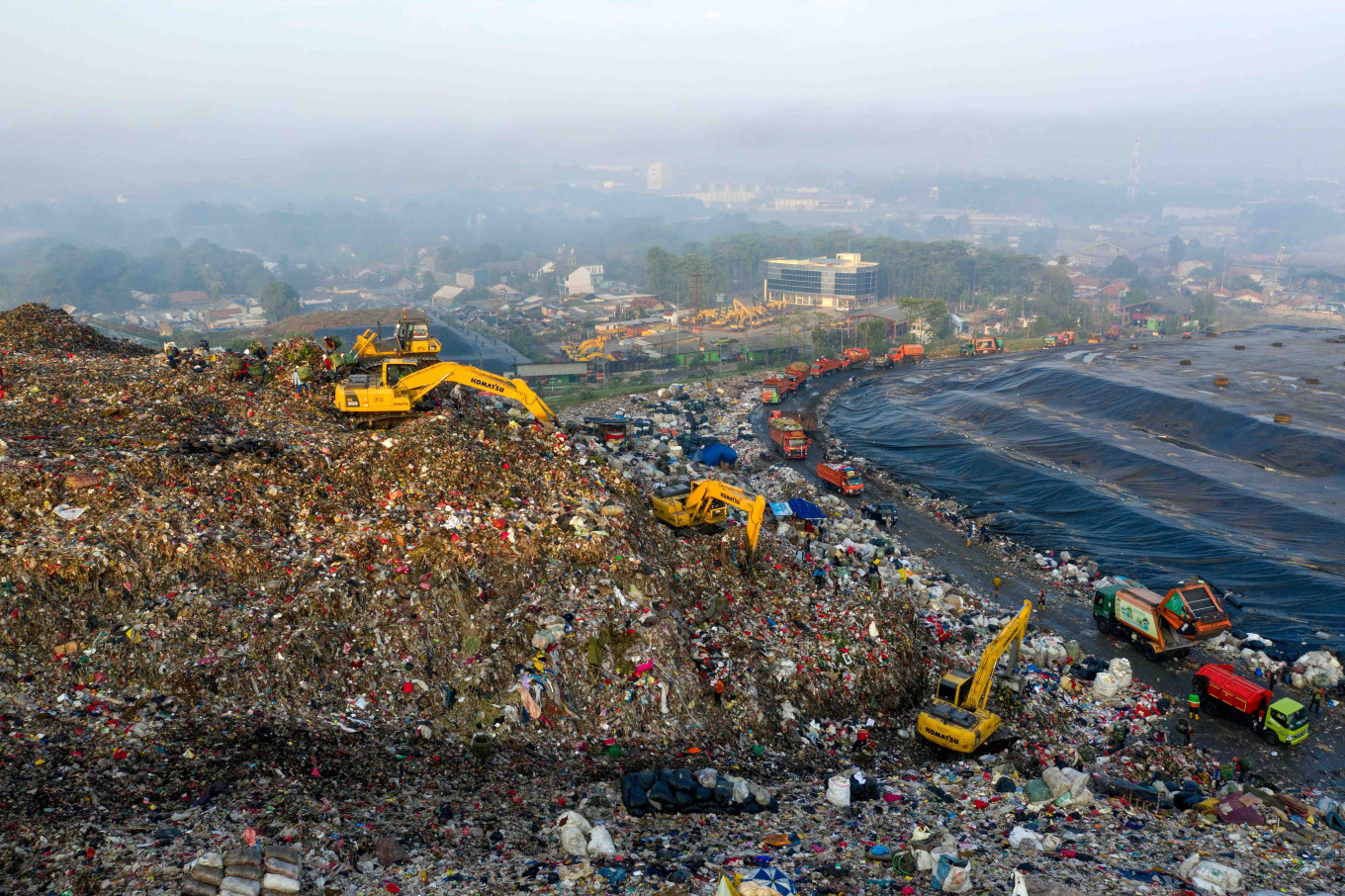

Waste has long been one of Indonesia’s most persistent urban problems. Now, the government is pushing for a faster and more practical solution by turning it into energy. Prabowo Subianto has instructed Danantara to speed up the rollout of waste-to-energy programs, also known as WTE or PSEL, across major cities. The goal is clear. Reduce waste while producing electricity at the same time.
The directive was delivered during a meeting at the President’s private residence in Hambalang, Bogor, on March 25, 2026. The discussion involved Rosan Perkasa Roeslani, who leads the Daya Anagata Nusantara Investment Management Agency (BPI Danantara), along with several members of the Red and White Cabinet. Teddy Indra Wijaya later shared details of the meeting.
According to Teddy, Rosan presented an update on the progress of the waste-to-energy program across the country. The focus remains on large and densely populated cities. These include Jakarta, Tangerang, Bandung, Semarang, Surabaya, Medan, Bali, and several other urban areas.
“Danantara Head Mr. Rosan Roeslani reported on the progress of the Waste to Energy (WTE) program, or waste-to-energy management program, across Indonesia, particularly in major and densely populated cities such as Jakarta, Tangerang, Bandung, Semarang, Surabaya, Medan, Bali, and other cities,” Teddy said via the @sekretariat.kabinet Instagram account on March 26, 2026.
The program is expected to address a long-standing issue. Waste management in many regions has not been handled optimally. Through WTE, the government aims to turn that challenge into a strategic advantage. It is not only about cleaning up cities. It is also about creating a sustainable source of alternative energy.
Teddy explained that the President is pushing for faster and more integrated action from the central government. The expectation is straightforward. Waste that has been left unmanaged for years should be cleared, reduced, and converted into useful energy, especially electricity.
Read also: Prabowo Rolls Out 13 New Downstream Projects Worth Rp239 Trillion
“President Prabowo wants the central government to immediately manage waste that has long been poorly handled in various regions, so it can be cleaned up, eliminated, and utilized as energy, especially electricity,” he added.
This step reflects a broader policy direction. The government is working toward a modern waste management system that relies on technology. At the same time, it supports national energy resilience by making better use of domestic and environmentally friendly resources.
With a more integrated downstream approach, the waste-to-energy program is expected to deliver more than environmental benefits. It opens room for new economic opportunities. It can create jobs. It also supports cities across Indonesia in moving toward a cleaner and more sustainable future.