



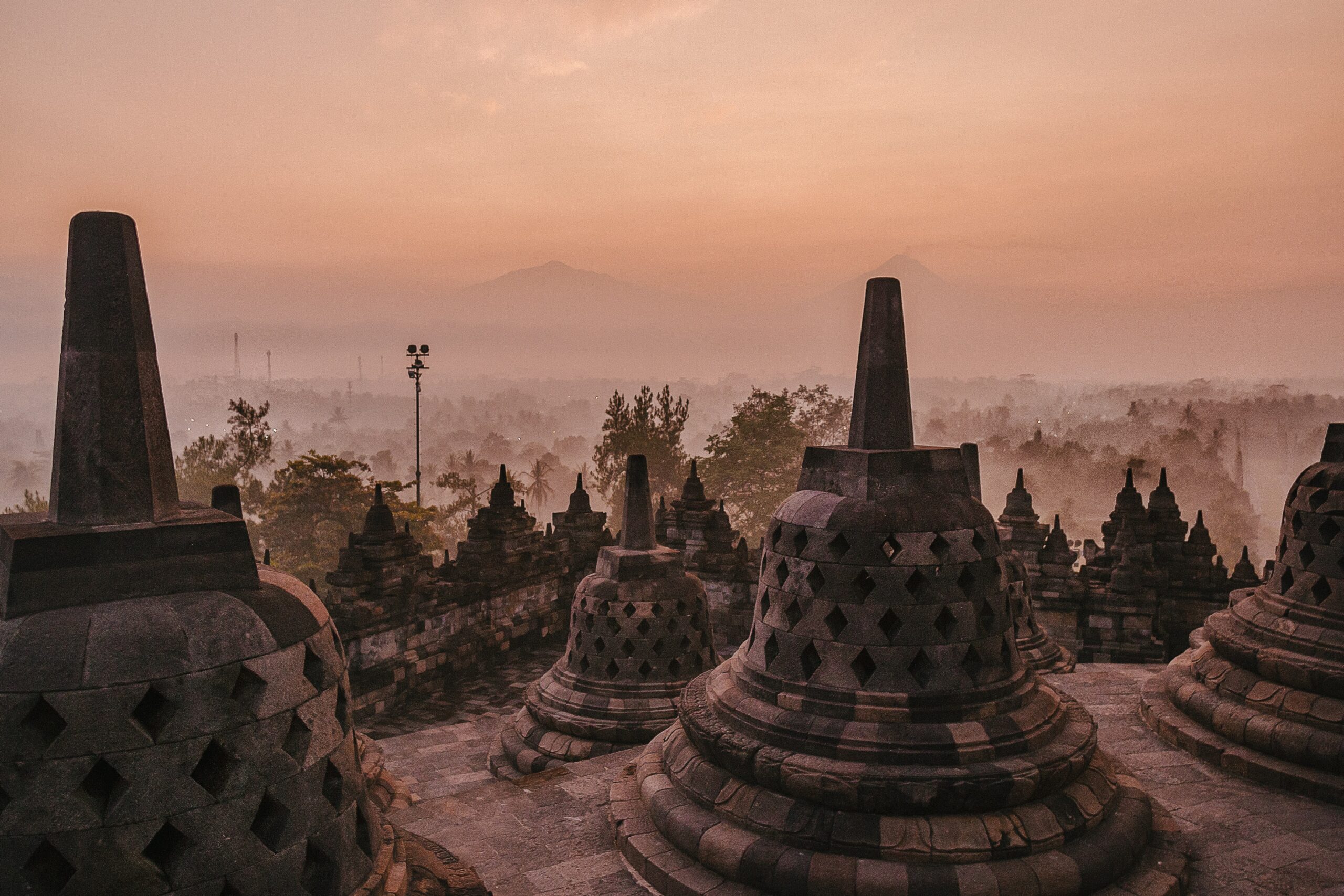

A quiet push is taking shape behind some of Indonesia’s most iconic temples. The goal feels ambitious, yet clear. Turn them into global centers of worship, not just tourist stops. The Central Java Provincial Government is working closely with the Coordinating Ministry for Economic Affairs. Their focus is Borobudur, along with Prambanan, Mendut, and Pawon. These four temples are being positioned for a bigger role on the world stage.
Deputy Governor Taj Yasin Maimoen shared that the renewal of the memorandum of understanding is now being finalized. The agreement covers how these temple areas are managed and utilized. Time is pressing. The current MoU, which runs from 2021 to 2026, is nearing its end.
For him, this is not just an administrative update. The new agreement needs to be more practical. It should make it easier for Hindus and Buddhists to carry out worship.
“We are pushing for this MoU to be extended. We are also discussing what can be done to advance tourism at these four temples,” he said during a meeting with the ministry’s coordination team.
The vision goes beyond preserving what already exists. There is a push to expand the narrative. Development should not stay centered only in the main zone. Other temple sites in Central Java are now part of the conversation.
Taj Yasin pointed to areas like Tawangmangu in Karanganyar and Wonosobo. He wants them included in a single, unified tourism package at the national level. The idea is simple. Bring them together as one story.
“I ask that the temples in Karanganyar and Wonosobo be included as a single integrated attraction. This will strengthen Central Java’s promotional narrative on the international stage,” he said.
Read also: The Ministry of Industry Rejects Deindustrialization Claims in Indonesia
Access is also improving, which changes everything. Ahmad Yani International Airport in Semarang has resumed international routes. Direct flights from Singapore and Malaysia are already available. Travel time for religious visitors is expected to be shorter and more convenient.
There is also growing attention on a specific market. Thailand is showing strong potential. Site managers have noticed a clear trend. Many parents there are encouraging their children to take spiritual journeys to Borobudur.
From the central government side, the response has been positive. Herfan Brilianto Mursabdo, Assistant Deputy for Tourism Development at the Coordinating Ministry for Economic Affairs, welcomed the province’s initiative.
He explained that the government is now refining the MoU in more detail. The balance matters. Religious activities must run smoothly. Cultural heritage must remain protected. Local communities should also see real benefits.
“The global market share for Hindu-Buddhist religious and pilgrimage tourism is very large. Our focus going forward is to ensure that Borobudur Temple and its surrounding areas truly provide tangible benefits for the people’s economy,” he said.
What’s being built here is not just a tourism plan. It is a wider effort to connect faith, culture, and local livelihoods in one direction. And for Central Java, the next phase seems closer than ever.