



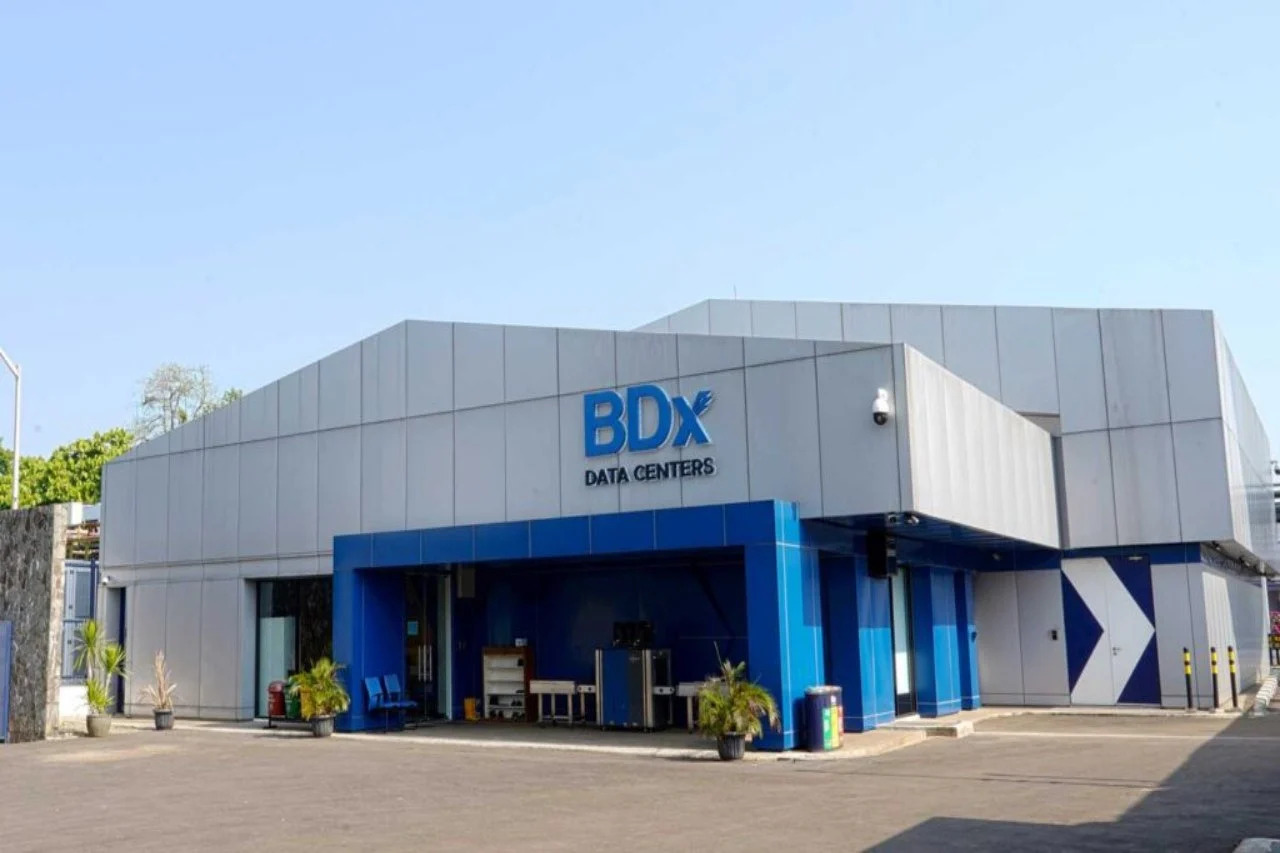

The servers powering artificial intelligence need more than electricity to keep running. They also need to stay cool, and that can require a reliable supply of water. In Indonesia, this requirement is becoming part of the discussion around data center development, with the government looking at whether existing dams and reservoirs could help meet industrial demand without affecting the water available for everyday needs.
Agus Harimurti Yudhoyono (AHY), Coordinating Minister for Infrastructure and Regional Development, said Indonesia already has substantial water infrastructure that could help meet demand from various industries, including businesses operating in the digital economy.
“We have quite a number of dams, reservoirs, and other facilities. In addition to preparing them to meet household needs, we are also working to meet industrial demand, including that of the digital economy industry,” Agus told reporters on Monday, October 12, 2026, during the Digital Infrastructure Summit 2026 in Central Jakarta.
However, making use of these facilities will require careful planning. Agus said the government needs to develop a roadmap that accounts for data center requirements across different regions. The plan must consider more than industrial demand. Water supplies for households, agriculture, livestock farming, and the environment must also remain part of the equation.
The issue extends beyond Indonesia. According to Agus, managing water resources for AI data centers has become a global concern because rising demand could intensify competition between countries for access to water. As the digital economy expands, governments will need to balance the needs of technology infrastructure with the sustainable use of essential natural resources.
Read also: Three Indonesian Beaches Rank Among Asia’s Best in 2026
Agus stressed that water management must prevent pollution and avoid wasteful practices. Efficient use of water will be increasingly important as Indonesia works to strengthen its national resilience across several essential sectors.
“We must prevent all forms of pollution and any improper or inefficient use of water. As time goes on, we need to strengthen not only food security and energy security, but also clean water security,” Agus said.
The government’s concerns also reflect the technical demands of operating AI infrastructure. Data centers require reliable electricity, while their servers need cooling systems to prevent overheating. Depending on the cooling technology used, these facilities can place significant demands on local water resources. This makes the availability of both energy and clean water important considerations when determining where new facilities should be built.
The Ministry of Communication and Digital Affairs (Komdigi) has similarly emphasized that AI data center development in Indonesia must not compromise the public’s access to basic resources.
Minister of Communication and Digital Affairs Meutya Hafid said the government needs to assess whether electricity supplies in prospective locations can support additional demand. It must also determine whether sufficient water is available to cool data center servers.
Beyond energy and water, Komdigi is mapping computing requirements, estimating future growth in internet users, and identifying areas with adequate connectivity. These factors are intended to help guide decisions about where data centers can be developed and operated effectively.
Choosing suitable locations is particularly important because the facilities will become part of the infrastructure supporting Indonesia’s expanding digital economy. Without proper planning, their demand for electricity and water could place additional pressure on supplies used by nearby communities.
Meutya reiterated that public needs must remain a priority when the government assesses infrastructure requirements.
“We must assess whether energy supplies are sufficient. Energy availability must not be disrupted by other activities, especially public services. Water supplies must not be disrupted either,” Meutya said on Thursday, October 8, 2026.
The government’s approach highlights the need to coordinate digital infrastructure development with the management of essential resources. Dams and reservoirs may provide opportunities to support industrial growth, but their use must be planned alongside the needs of households, agriculture, livestock farming, and the environment.
As AI adoption increases and demand for computing capacity grows, Indonesia faces the challenge of ensuring that data center expansion can proceed without undermining access to clean water or reliable energy. Developing a clear roadmap, assessing local resource availability, and selecting appropriate locations will be important steps in balancing the country’s digital ambitions with the basic needs of its population.