




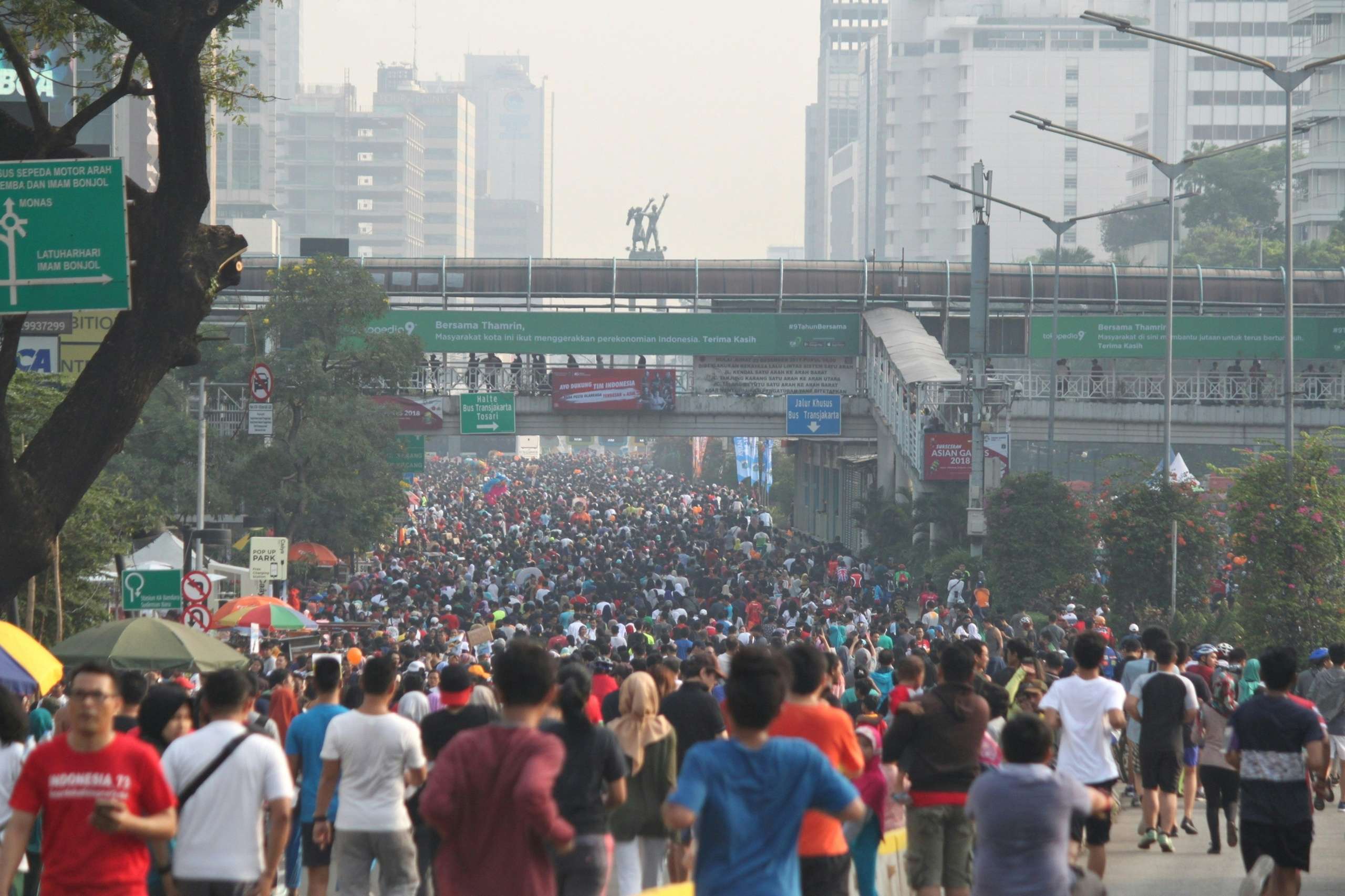

Something about DKI Jakarta keeps pulling people in. The numbers make it clear. According to Badan Pusat Statistik (BPS), Jakarta recorded the highest population density in Indonesia in 2026. The figure reached 16,129 people per square kilometer. That is far above the national average of around 152 people per square kilometer.
This gap says a lot. Jakarta is not just another city. It remains the center of government, business, and economic activity in the country. People from across Indonesia continue to move there, hoping for better jobs and a different kind of life.
But that constant flow brings pressure. Managing space becomes harder. Transportation systems face strain. Housing demand keeps rising. Local authorities are now dealing with crowded neighborhoods, heavy traffic, and growing pressure on public facilities. Policies need to keep up, or the gap will widen.
Still, the story is not only about challenges. High density also reflects how central Jakarta is to national growth. Many industries depend on the city. It continues to drive economic activity across the country.
On a global scale, the shift is even more striking. Based on estimates from the United Nations, Jakarta’s population has surpassed 41.9 million. That makes it the most densely populated city in the world.
This puts Jakarta ahead of cities like Dhaka, Tokyo, and New Delhi, which had long dominated global rankings. The growth behind this shift did not happen overnight.
Back in 2000, Jakarta’s population stood at around 25.6 million. At that time, it ranked second globally. Over the next 25 years, the city added more than 16 million people. By 2025, it moved into the top position.
Even with the administrative capital now relocated to Nusantara, Jakarta has not lost its role. It remains the country’s main hub for economic and international trade activity.
That role is shaping new trends. Cross-border e-commerce is rising fast. The market value is expected to reach up to 120 billion US dollars. This growth is driven by strong digital adoption and increasing demand for exports and imports.
As a result, logistics is becoming more important. The international shipping sector is projected to grow at a compound annual growth rate of 5.99 percent between 2026 and 2031. Demand is rising for fast and reliable delivery services, whether for high-value goods or distribution across regions.
Put it all together, and the picture becomes clear. Jakarta keeps growing. Not just in size, but in influence.






, Jakarta recorded the highest population density in Indonesia in 2026.)