




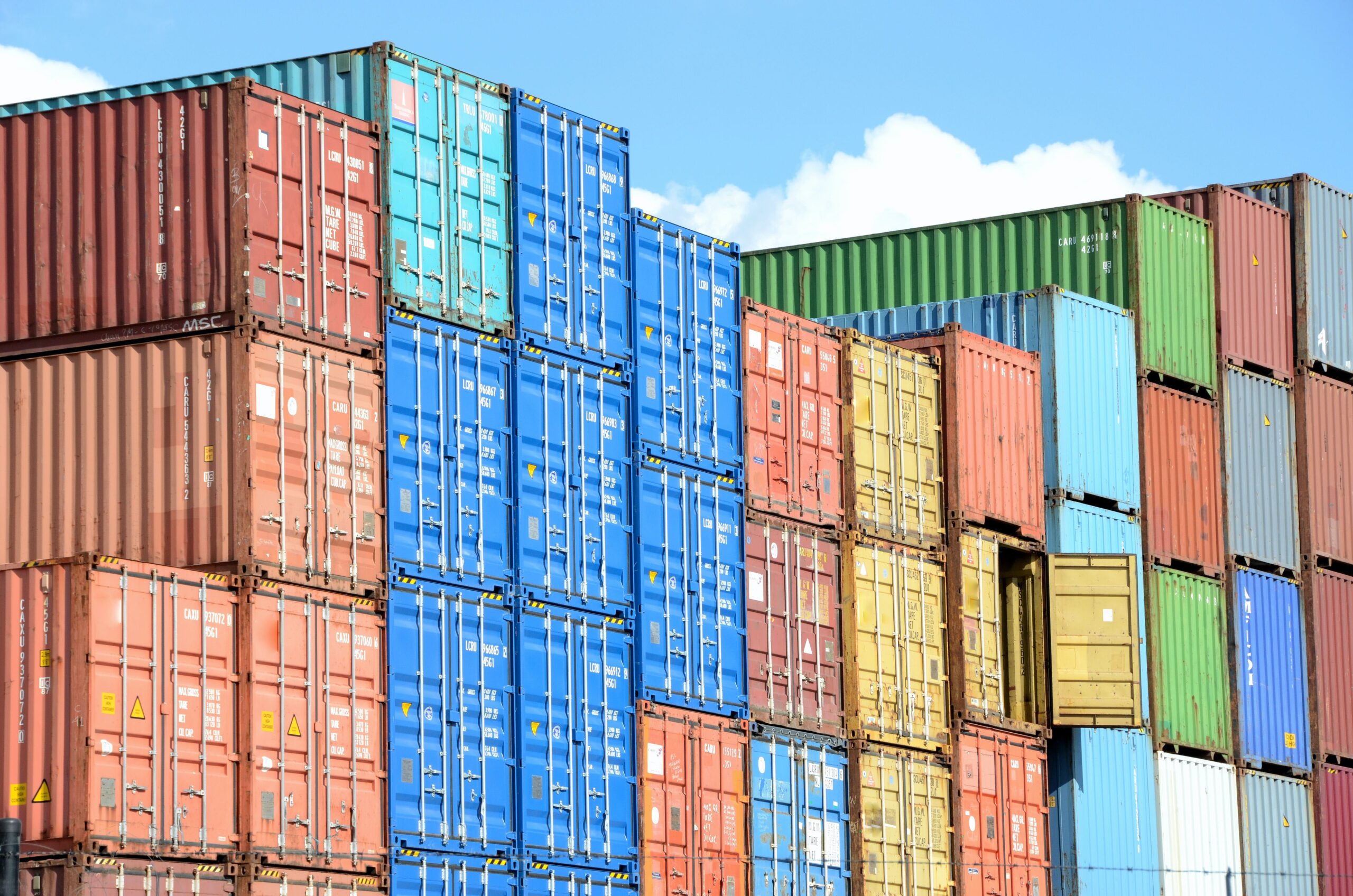

A new trade policy is now in place, and it directly targets imported plastic materials that have been under scrutiny for some time. Indonesia has decided to act. Through a formal regulation, Finance Minister Purbaya Yudhi Sadewa has imposed anti-dumping import duties on biaxially oriented polyethylene terephthalate, widely known as BOPET. The products affected come from three countries: India, China, and Thailand.
This policy is outlined in Finance Minister Regulation No. 14 of 2026. It officially took effect three days after being issued on April 1, 2026. The decision itself was signed earlier, on March 13, 2026.
The move is not without basis. It follows an investigation by the Indonesian Anti-Dumping Committee, which found that dumping practices are still ongoing.
“The findings of the Indonesian Anti-Dumping Committee have proven that dumping practices on imports of biaxially oriented polyethylene terephthalate products or BOPET from India, the People’s Republic of China, and Thailand are still ongoing. Therefore, the imposition of anti-dumping duties is necessary,” the regulation states.
In simple terms, anti-dumping duties are additional charges imposed on imported goods that are sold at unfairly low prices and cause harm to domestic industries. This measure is allowed under the rules of the World Trade Organization.
The scope of the policy is quite specific. It covers BOPET products in various forms such as plates, sheets, films, foils, and strips. These are made of non-cellular plastic and are not reinforced, laminated, supported, or combined with other materials. The products fall under tariff codes ex3920.62.10, ex3920.62.91, and ex3920.62.99.
These anti-dumping duties are not standalone charges. They are applied on top of existing import duties. That includes both the general most-favoured-nation tariffs and any preferential tariffs set under international agreements.
If importers fail to meet the requirements stated in those agreements, the anti-dumping duties will be added to the general most-favoured-nation tariffs instead.
The rates themselves vary depending on the producer and country of origin.
Read also: Indonesia Pushes Faster Waste-to-Energy Rollout in Major Cities
For imports from India, SRF Limited is subject to a rate of 8.5 percent. Vacmet India Limited is charged 4.0 percent. Jindal Poly Films Limited faces 6.8 percent. Ester Industries Limited is set at 4.5 percent. Other producers are subject to 8.5 percent.
For China, Shaoxing Xiangyu Green Packing Co., Ltd is charged 2.6 percent, while other producers face a higher rate of 10.6 percent.
For Thailand, SRF Industries (Thailand) Limited is subject to 5.4 percent. Polyplex (Thailand) Public Company Limited is charged 2.2 percent. A.J. Plast Public Company Limited faces 7.1 percent, and other producers are also set at 7.1 percent.
With this policy now in effect, Indonesia is taking a firmer stance in protecting its domestic industry from unfair trade practices while staying aligned with global trade rules.