




Indonesia is home to more than 30,000 hotels, yet only a tiny fraction have achieved recognition under the Global Sustainable Tourism Council (GSTC). At present, just 14 hotels across the archipelago hold this certification, which is regarded as the highest global benchmark for sustainable tourism.
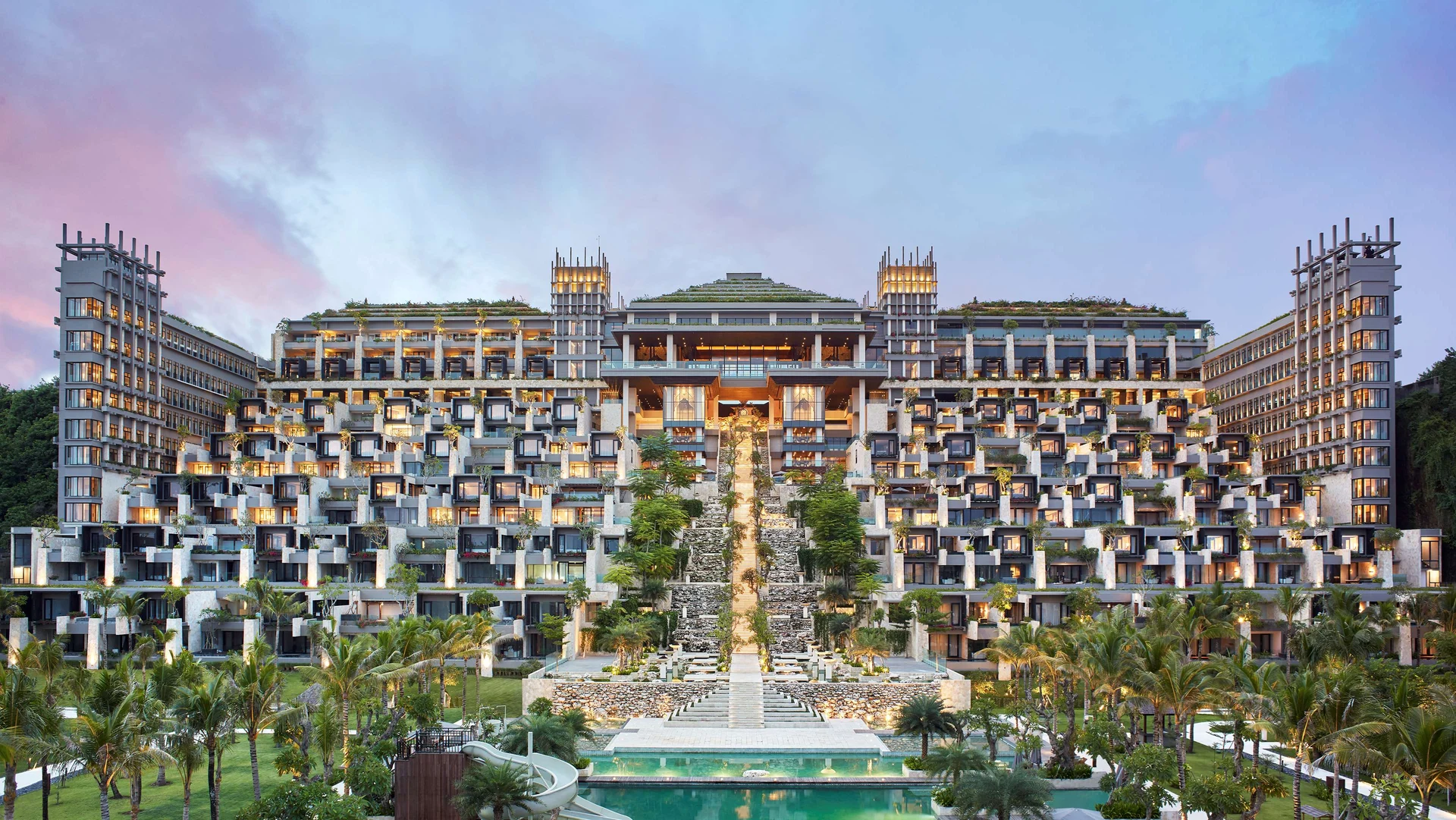
According to Arif Pamungkas, Manager of Business Development at Control Union, Apurva Kempinski Bali was the first hotel in Indonesia to be GSTC-certified, about two years ago.
“In Indonesia, the first hotel to be certified for GSTC was Apurva Kempinski Bali, about two years ago. Until now, the certificate continues to be renewed annually,” Arif said during the H3 Summit 2025 at Balairung Soesilo Soedarman, Sapta Pesona Building, Central Jakarta, on Thursday (Sept 25, 2025).
He added that new names continue to emerge, with Artotel recently joining the list. “Artotel was just certified three days ago,” Arif noted, as quoted from Kompas Travel on Friday (Sept 26, 2025).
The 14 certified hotels represent five major groups: Apurva (1 property), Hard Rock (1 property), Six Senses (1 property), Ascott (7 properties), and Artotel (4 properties). In contrast, the Central Statistics Agency (BPS) reported that by 2024, Indonesia had 31,175 registered accommodation businesses.
Hariyadi Sukamdani, Chairman of the Indonesian Hotel and Restaurant Association (PHRI), confirmed that the figure reflects official BPS data as of December 2024. He also emphasized that Control Union is the accredited body authorized to issue GSTC certifications in Indonesia.
GSTC certification covers three key areas: accommodation, tour operators, and destinations. Hotels that pursue it must show real commitment to environmental sustainability and efficient operations.
Read also: Explore Lembata for Free with the Ayo Berwisata Card
Arif explained that Apurva Kempinski Bali is an example of large-scale investment in sustainability. “Apurva clearly has a big investment in sustainability. They are capable of installing solar panels and developing proper water waste management,” he said.
Beyond that, the hotel works with drinking water suppliers and uses technology to conserve energy. Special sensors ensure that air conditioners automatically shut down whenever doors are opened, reducing unnecessary consumption.
Still, Arif pointed out that sustainable practices are not exclusive to luxury hotels. “Sustainability is a journey. Even small hotels, eco lodges, and resorts can apply these concepts as long as they first create a sustainability plan,” he explained.
He stressed that during the first year of certification, what matters most is how well those plans are put into action.
This small number of certified hotels highlights how far the industry still needs to go. Yet, the examples already set show that with planning and commitment, both large and small establishments can embrace sustainability and elevate Indonesia’s tourism sector to international standards.