




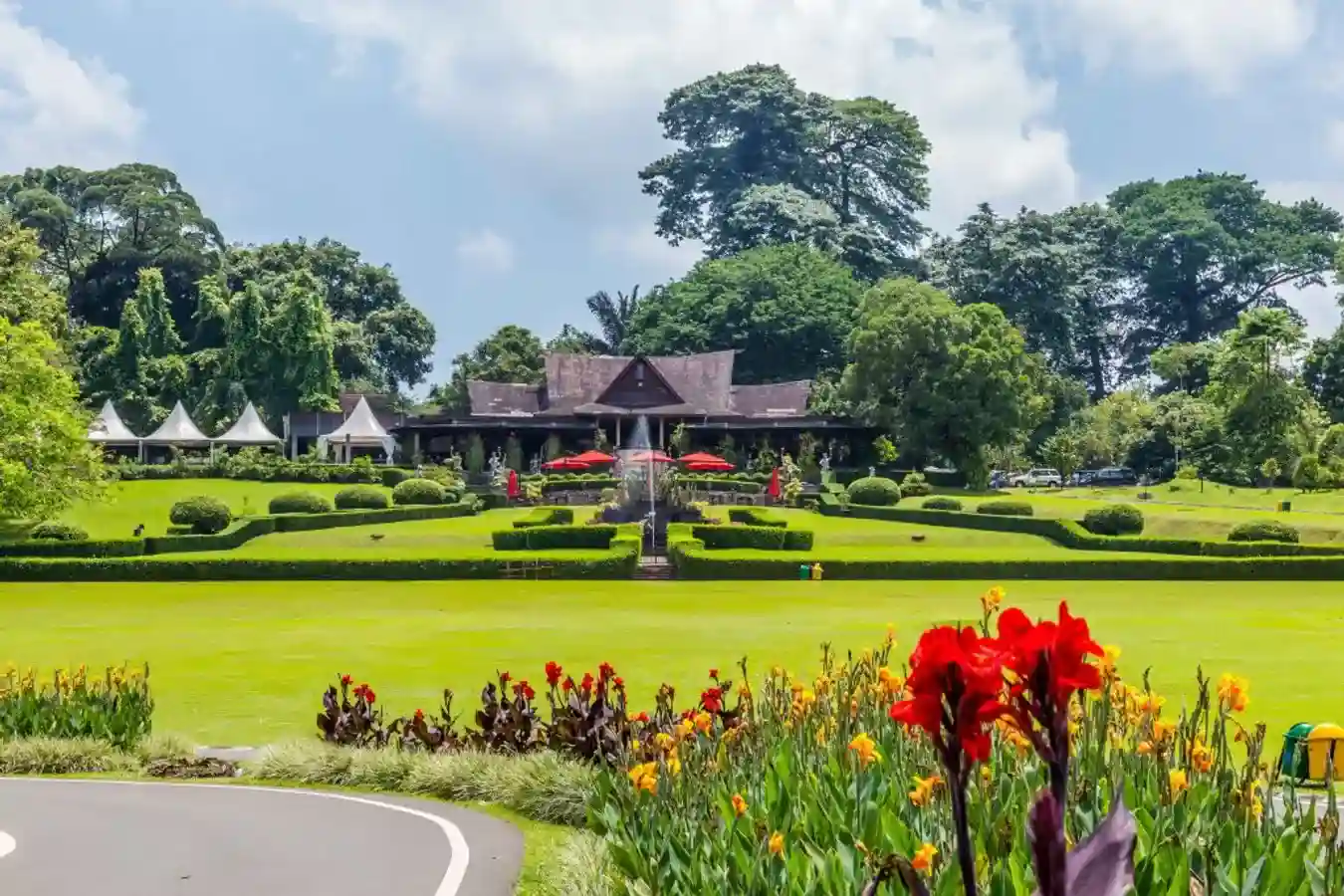

Green escapes have a special pull. The kind that slows your breathing the moment you step inside. For travelers who crave that feeling, botanical gardens often become the perfect answer. And around the world, some of these green spaces have grown far beyond city parks. They’ve become global icons. One of them comes from Indonesia. Kebun Raya Bogor has earned a place among the world’s top ten botanical gardens, according to Forbes.
It now stands alongside some of the most respected botanical institutions on the planet, recognized not only for beauty, but also for history, science, and education.
At their core, botanical gardens are carefully managed green areas dedicated to collecting, researching, conserving, and showcasing plant diversity. This was highlighted by Kebun Raya Bogor on Friday (16/1/2026). But their role doesn’t stop there. Over time, many have evolved into educational tourism destinations that blend natural calm, cultural value, and immersive learning experiences. Across continents, these gardens attract millions of visitors every year.
Based on data compiled from multiple sources, Forbes listed the ten best botanical gardens in the world as recorded on Google throughout 2025. Each one stands out for its landscape design, plant collections, and long-standing contribution to botanical knowledge.
Leading the list is Lalbagh Botanical Garden in Karnataka, India. In 2025, it became the most searched botanical garden worldwide on Google Maps. According to Condé Nast Traveller on Friday (16/1), Lalbagh dates back to the 18th century. It is widely known for its ancient plant collections, rare trees, and the iconic Glass House that anchors the garden’s identity. Twice a year, flower festivals transform the space into a major attraction, drawing botany lovers and international visitors alike.
In the United Kingdom, Royal Botanic Gardens, Kew holds a different kind of prestige. Located in London, Kew is regarded as one of the most important botanical institutions in the world. Its vast living plant collections and herbarium contain tens of thousands of species. As reported by Money Control on Friday (16/1), these collections support research, conservation, and education. Kew’s status as a UNESCO World Heritage Site further cements its global importance, blending scientific legacy with centuries of garden history.
Indonesia’s pride, Kebun Raya Bogor in West Java, also appears among the most searched botanical gardens on Google Maps in 2025. It is one of the oldest botanical gardens in Southeast Asia and plays a major role in tropical botanical research. According to information from the official Kebun Raya Bogor website on Friday (16/1), the garden was established in 1817 by the Dutch East Indies government. Covering 87 hectares, it is home to around 15,000 species of trees and plants, making it a living archive of tropical biodiversity.
Singapore Botanic Gardens represents another milestone in botanical history. It became the world’s first tropical botanical garden to be designated as a UNESCO World Heritage Site. The garden hosts an extensive collection of tropical plants, including thousands of orchid species. Beyond its visual appeal, it has played a crucial role in botanical research and historical agronomic innovations, particularly in the development of rubber.
Read also: Beating Malaysia and China, IMF Forecasts Indonesia’s Economy to Grow 5.1% in 2026–2027
In Cornwall, the United Kingdom offers a very different interpretation of a botanical garden through the Eden Project. Built on a former degraded kaolin mine, Eden is not a traditional garden. It is an innovative botanical park that combines ecology, architecture, and environmental education. According to its official website on Friday (16/1), massive domes house tropical and Mediterranean biomes, creating an immersive experience while teaching visitors about the relationship between humans, plants, and the planet. The project is often described as one of the world’s most compelling visions of a future garden.
Across the Atlantic, Brooklyn Botanic Garden in New York has long held a place in global rankings. It is especially celebrated during cherry blossom season. The garden features a wide range of collections, from Japanese gardens and bonsai displays to tropical greenhouses, offering diverse experiences within a single urban space.
Canada’s contribution comes from Québec with Jardin Botanique de Montréal. Recognized as one of the largest and most important botanical gardens in the world, it holds more than 20,000 plant species. Encyclopedia Britannica reported on Friday (16/1) that the garden includes 30 thematic gardens and 10 greenhouses spread across 75 hectares. Its thematic range is a major draw, from the largest Chinese garden outside China to a classic Japanese garden, positioning it as a key center for research, education, and conservation.
Still in New York, the New York Botanical Garden adds another heavyweight to the list. Known as one of the largest and most legendary botanical gardens in the United States, NYBG houses more than 1 million living plants. It also supports extensive conservation work, scientific research, and educational programs, welcoming millions of visitors every year.
Thailand’s Nong Nooch Tropical Botanical Garden represents Southeast Asia on a grand scale. Located in Chon Buri, it is one of the region’s largest tropical botanical gardens. It is widely known for its expansive thematic gardens, impressive tropical plant collections, and its Cycad Gene Bank. These features have made it a favorite destination for visitors from across Asia.
Rounding out the list is Royal Botanic Gardens Victoria in Australia. Spread across two locations in Melbourne and Cranbourne, the gardens showcase both global plant collections and native Australian flora. Together, they reflect Australia’s botanical richness while maintaining strong ties to international plant conservation efforts.
From historic institutions to innovative ecological projects, these ten botanical gardens show how green spaces can shape culture, science, and travel at once. And among them, Kebun Raya Bogor stands confidently, carrying Indonesia’s name onto the global stage.