


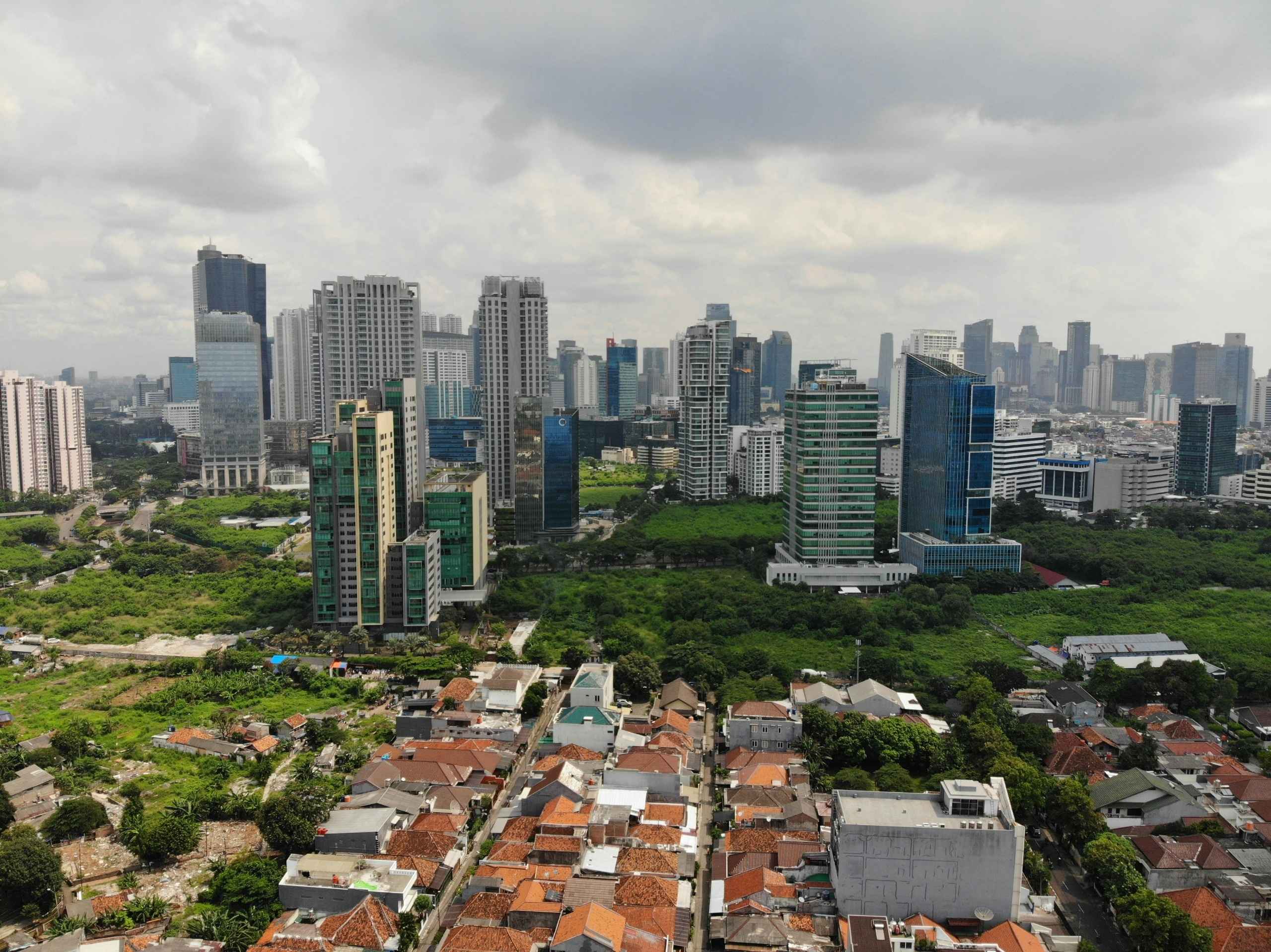

A surge of optimism is starting to build around Indonesia’s property market as 2026 approaches. Many people in the industry sense momentum growing, pushed forward by incentives, easier financing, and a friendlier policy climate. That hopeful mood keeps spreading, yet every bright spot still comes with its own set of challenges.
The forecast for next year looks encouraging thanks to several major drivers. The government’s decision to extend the 100% VAT DTP incentive until 2027 gives the market extra breathing room. A steady decline in interest rates offers more space for buyers to plan purchases. Housing KUR distribution adds one more path for low-income families to secure a home.
Those shifts create real movement on the ground. Rusmin Lawin, Vice Chairman of Real Estate Indonesia (REI), emphasized that residential property remains at the center of this recovery.
“The extension of the VAT DTP incentive is expected to boost property sales, especially for landed houses,” he explained. His point highlights how crucial affordability remains in driving demand.
He also pointed out that lower interest rates can strengthen purchasing power. Housing KUR then picks up where lending gaps exist, helping more families cross the line into homeownership. Together, these elements shape a more accessible market.
Even with fresh incentives lined up for next year, familiar obstacles still loom. Developers continue to face rising construction material prices, which can eat into project costs and narrow profit margins. Regulations and licensing often become another headache. A lengthy and complicated permit process can slow down development, sometimes long before construction even begins. Purchasing power also remains a deciding factor in whether projects move efficiently.
Read also: Foreign Tourist Arrivals in Bali by December Predicted to Surpass 2024
A strategic approach feels essential for navigating the coming year. Rusmin suggested that developers should offer products that align with current shifts in preference. Vertical housing options and environmentally friendly properties stand out as solutions that match growing urban needs. Digital tools can also improve project management and marketing, making operations more transparent and efficient. Stronger collaboration with the government will be important too, especially when pushing for regulatory improvements that support industry growth.
Another perspective comes from the Housing Association (Himpera). The group sees strong potential for the housing sector in 2026 due to a more pro-investment policy environment. The extension of tax incentives until 2027 and expanded access to housing KUR are viewed as unprecedented boosts that could reshape the landscape.
Even with these tailwinds, Himpera Chairman Ari Tri Priyono noted several hurdles that remain unresolved. Misalignment between central and regional policies continues to complicate planning. The paddy field land moratorium affects land availability. Creditworthiness checks (SLIK) have also created unexpected issues, especially when tiny paylater debts disrupt financing eligibility.
All these details paint a picture of an industry moving forward with renewed confidence while still working through old and new pressures. The mix of incentives, financing support, and policy adjustments offers real potential in Indonesia’s property market, as long as the persistent challenges receive the same level of attention.