


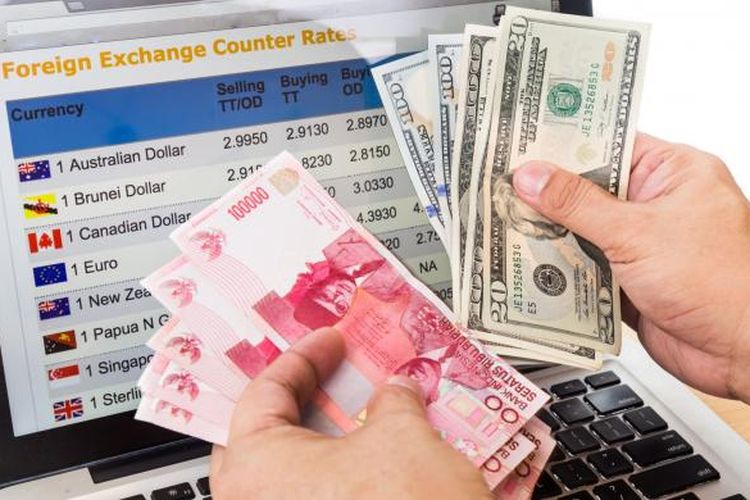

A weaker rupiah may sound worrying for Indonesia’s economy, but for many foreign travelers, weak rupiah is turning the country into an even more tempting holiday destination. Hotels, restaurants, beaches, and shopping spots suddenly feel cheaper for tourists carrying stronger foreign currencies. On the surface, it looks like a major advantage for Indonesia’s tourism sector.
But behind the growing appeal to international visitors, weak rupiah is also creating new pressures for businesses that depend heavily on imported goods and foreign exchange rates.
Secretary General of the Indonesian Hotel and Restaurant Association, Maulana Yusran, said the declining rupiah against several foreign currencies has indeed made Indonesia more attractive for overseas tourists. Travelers visiting Indonesia now gain greater purchasing power because the value of their currencies stretches further when converted into rupiah.
That situation encourages tourists to spend more during their stay, whether on accommodation, dining, shopping, or tourism activities.
“When international tourists see that our local products are much cheaper, of course they will flock here. That’s normal for travelers. This can also become an advantage for us,” Yusran explained.
The condition, however, is not entirely positive for the tourism industry. While foreign tourists may benefit from cheaper costs, many tourism-related businesses are facing rising operational expenses.
Yusran pointed out that hotels and restaurants, especially those operating in premium segments, still rely on imported materials and overseas products. From kitchen supplies to hospitality equipment, many operational needs are linked to foreign currencies, particularly the US dollar.
As the rupiah weakens, the cost of imported goods automatically rises. That means businesses must spend more to maintain the same level of service and product quality.
Read also: Attention! Tourist Boats Banned From Sailing to Komodo National Park on May 29
“Besides that (weak rupiah), other needs in the hotel, restaurant, and tourism sectors that still depend on the dollar exchange rate will certainly also be affected,” he said.
Even so, Yusran believes the tourism sector should still maximize the momentum created by the weaker rupiah. According to his observations, most international tourists currently entering Indonesia come from neighboring countries in the region.
He sees another important factor driving this trend. Rising aviation fuel prices have made long-distance flights more expensive worldwide. As ticket prices climb, tourists are becoming more selective and are choosing destinations that are closer to their home countries.
That shift is giving Southeast Asian destinations, including Indonesia, an advantage.
“Why? Because higher aviation fuel prices increase travel costs. As a result, tourists from neighboring countries will most likely choose destinations that are closer,” he explained.
Yusran also highlighted growing uncertainty in the global situation, especially tensions in the Middle East involving Iran. Under those conditions, he believes ASEAN countries remain Indonesia’s most realistic tourism market to focus on for now.
Travelers from nearby nations are considered more stable and reachable because shorter travel distances reduce costs and make regional tourism movement more resilient during global instability.
According to him, Indonesia still has a strong opportunity to benefit from the situation if it can maintain tourism quality and continue attracting regional travelers.
At the same time, he stressed that the weakening rupiah cannot simply be viewed as a long-term advantage. Currency pressure still creates burdens for many sectors tied to foreign exchange fluctuations, including industries connected to tourism operations.
The situation ultimately reflects two sides of the same reality. Indonesia may look cheaper and more attractive to foreign visitors, but businesses behind the tourism industry are also dealing with rising costs and economic pressure caused by the same weakening currency.