




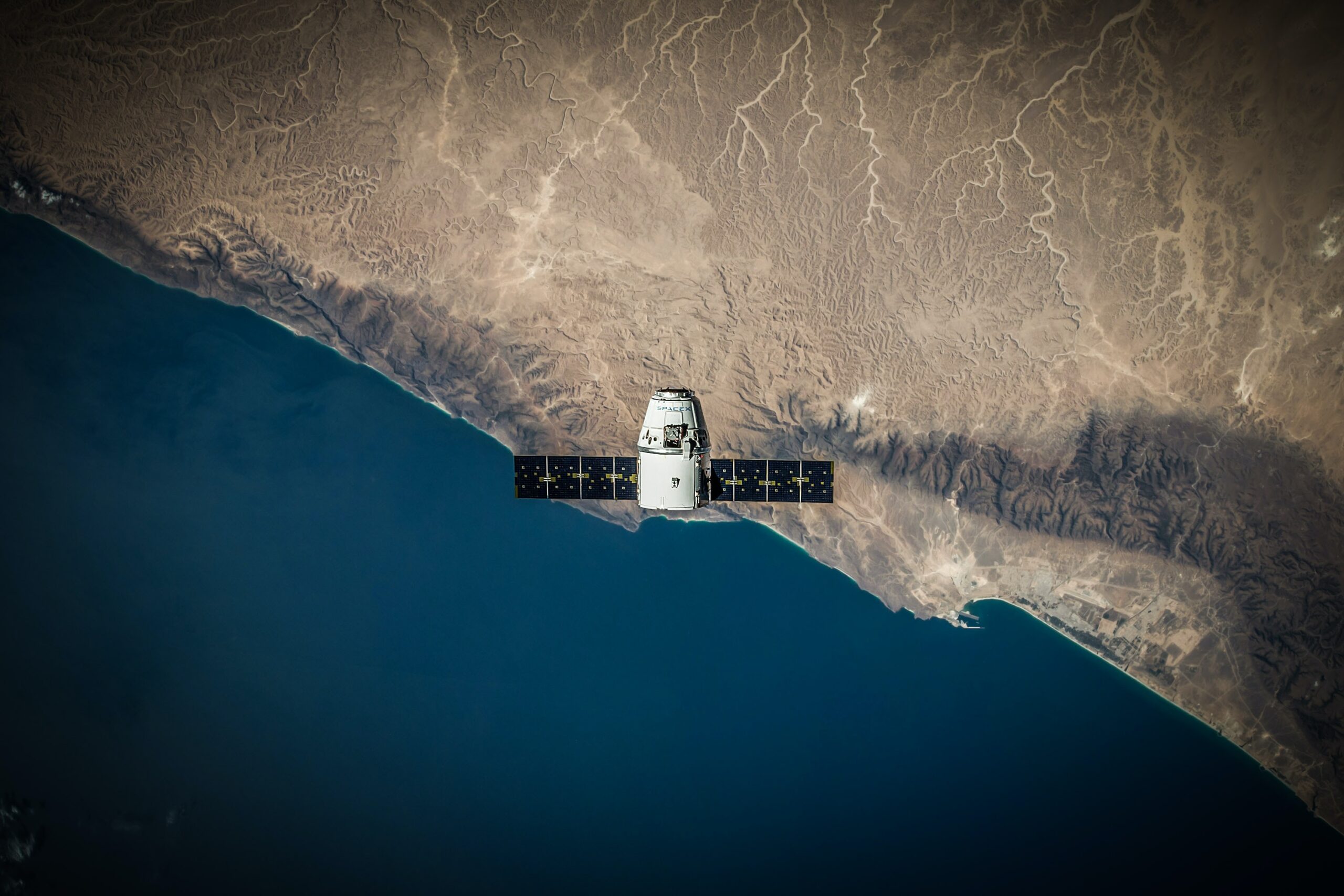

Indonesia is preparing for a major step in digital communication technology. The Ministry of Communication and Digital (Komdigi) has officially launched a public consultation on its Call for Information (CFI) document concerning the Regulatory and Policy Study on the Potential Implementation of Non-Terrestrial Network Direct-to-Device (NTN-D2D) Technology in the country.
According to the ministry’s statement dated October 21, 2025, the NTN-D2D technology enables mobile devices to connect directly to satellites without relying on terrestrial infrastructure like base transceiver stations (BTS). This innovation could mark a turning point for Indonesia’s communication landscape, especially in remote and hard-to-reach areas.
Globally, similar technology has already been introduced by Starlink, the satellite-based internet provider owned by Elon Musk’s SpaceX. The company launched its “Direct-to-Cell” service, allowing devices to access connectivity directly from satellites. However, this service is not yet available in Indonesia. Starlink currently holds only limited licenses for ISP and VSAT network operations in the country, not for Direct-to-Cell services. Moreover, no Indonesian operator appeared in last year’s initial list of providers offering Direct-to-Cell features worldwide.
Komdigi highlighted that the adoption of NTN-D2D technology could significantly expand communication access across Indonesia. It would particularly benefit frontier, outermost, and underdeveloped (3T) regions, as well as border and maritime zones that remain beyond the reach of traditional terrestrial networks.
“This technology enables mobile devices to communicate directly with satellites without relying on terrestrial networks, thus potentially expanding connectivity to 3T regions,” Komdigi stated in its official release on Thursday, October 23, 2025.
Read also: Surpassing Canada, Indonesia Holds the World’s Fourth-Largest Gold Reserves
The study is being developed by the Directorate of Radio Frequency Spectrum Arrangement, Satellite Orbit, and Digital Infrastructure Standardization under Komdigi’s Directorate General of Digital Infrastructure. The consultation seeks to gather insights, data, and best practices from relevant stakeholders regarding the use of this technology to achieve more equitable national digital connectivity.
Komdigi also emphasized that the study underscores the strategic importance of NTN-D2D in accelerating digital access equality. Beyond that, it could strengthen national communication resilience and support the growth of Indonesia’s digital economy.
This initiative forms part of the Ministry’s 2025–2029 Strategic Plan and supports the objectives outlined in the 2025–2029 National Medium-Term Development Plan (RPJMN). It also aligns with the vision of “Indonesia Emas 2045” and the Asta Cita agenda set by the administration of President Prabowo Subianto.