




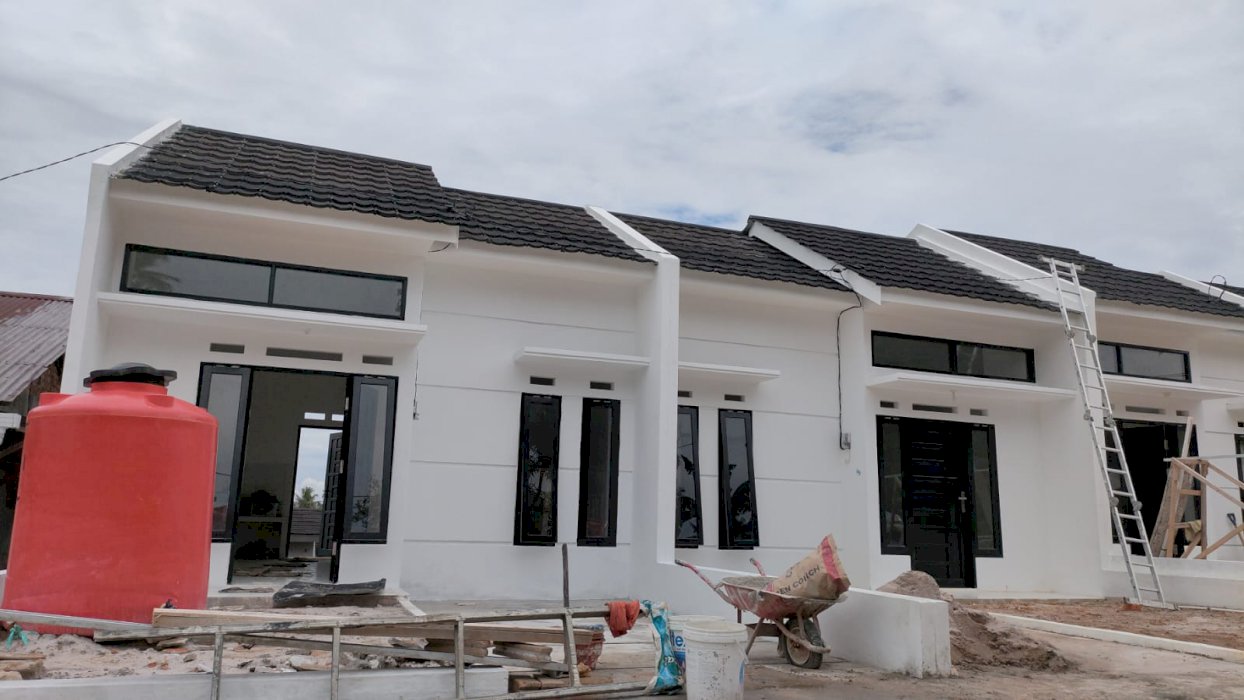

Indonesia’s residential property market closed 2025 on a relatively steady note. Even as household purchasing power adjusted and housing preferences shifted, demand did not disappear. Buyers continued to focus on smaller and mid-sized homes. At the same time, the rental market began to gain stronger traction. These trends offer a promising outlook for 2026.
This picture comes from Pinhome’s latest data through the Pinhome Home Sell Index (PHSI) and the Pinhome Home Rental Index (PHRI) for the fourth quarter of 2025.
According to the report, the National Home Sale Price Index in the fourth quarter of 2025 rose slightly by 0.4 percent compared with the third quarter of the same year. On an annual basis, the increase was also recorded at 0.4 percent compared with 2024. The figures suggest a housing market that remains balanced while adjusting to shifting demand, purchasing power, and different economic conditions across regions.
Small homes continued to play the biggest role in supporting the market. On a yearly basis, this segment grew by 0.8 percent. Homes sized 55–120 recorded a 0.5 percent increase, while houses in the 121–200 category grew by 0.3 percent. Large houses, defined as type ≥201, moved in the opposite direction with a slight correction of –0.9 percent.
Read also: Attention Travelers! Bali Mandara Toll Road Closed for 32 Hours During Nyepi
“Medium and small segments remain the public’s favorite, while large houses are experiencing a decline related to consumers’ tendency to postpone purchases or switch to rental options in core cities, as well as increasing inventory in several commuter areas,” explained Pinhome, in a statement in Jakarta on Wednesday (March 11, 2026).
A closer look at Jakarta shows different movements across districts and housing types. In North Jakarta, the 55–120 segment dropped by 5 percent in Tanjung Priok. Houses sized 121–200 also declined by 3 percent in both Tanjung Priok and Cilincing. The drop followed growing concerns over tidal flooding in the area. Despite this pressure, smaller homes sized ≤54 in Tanjung Priok still rose by 3 percent, showing the resilience of the affordable housing segment.
In West Jakarta, houses sized ≤54 in Kembangan increased by 3 percent as buyers were drawn to more competitive prices. Meanwhile, houses sized 121–200 in Kalideres recorded a 2 percent increase. This growth was supported by better transport connectivity and the area’s proximity to Soekarno Hatta International Airport.
Central Jakarta showed mixed results. Kemayoran experienced broader strengthening across several housing categories. Houses sized ≥201 rose by 3 percent, while houses sized 55–120 also increased by 3 percent. Smaller homes sized ≤54 climbed by 2 percent.
However, houses in the 121–200 category declined by 3 percent. Conditions in Johar Baru moved in different directions. Houses sized ≥201 increased by 2 percent, but houses sized 121–200 fell by 2 percent. The 55–120 segment dropped by 3 percent, and houses sized ≤54 declined by 2 percent. These figures indicate pressure in the small and mid-sized segments within that district.
East Jakarta saw stronger performance in some areas. Houses sized 121–200 rose by 3 percent in Ciracas and increased by 2 percent in Cakung. Improvements in infrastructure and accessibility supported this growth. Meanwhile, houses sized 55–120 in Kramat Jati declined by 3 percent after disruptions to local economic activity.
In South Jakarta, adjustments appeared in the smallest housing segment. Homes sized ≤54 fell by 2 percent in both Jagakarsa and Pasar Minggu. The decline reflects a more cautious attitude among buyers as well as adjustments in purchasing power within the smaller housing category.
Outside Jakarta, the Bodetabek and Banten regions also recorded several changes. In the ≤54 category, prices increased by 2 percent in Tangerang City but declined by 3 percent in Serang City. For larger homes sized ≥201, Bogor City recorded a 3 percent increase. In contrast, Bogor Regency saw prices drop by 3 percent, while Bekasi Regency experienced a 2 percent decline.
The changes are linked to the rise in housing inventory labeled as urgent sales during the second half of 2025, which led to selective price adjustments based on the characteristics of each regional market. Meanwhile, houses sized 121–200 in Bogor Regency rose by 3 percent, showing continued resilience in the mid-sized housing segment.
This shift may signal a longer transition in Indonesia’s residential property market. Affordability, urban mobility, and lifestyle changes are starting to shape where people live and what type of homes they choose. If these trends continue, developers may need to adapt their strategies. More focus could move toward compact housing, transit-connected areas, and rental-friendly developments.
For now, the residential property market remains stable. But the direction of demand is clearly changing.