




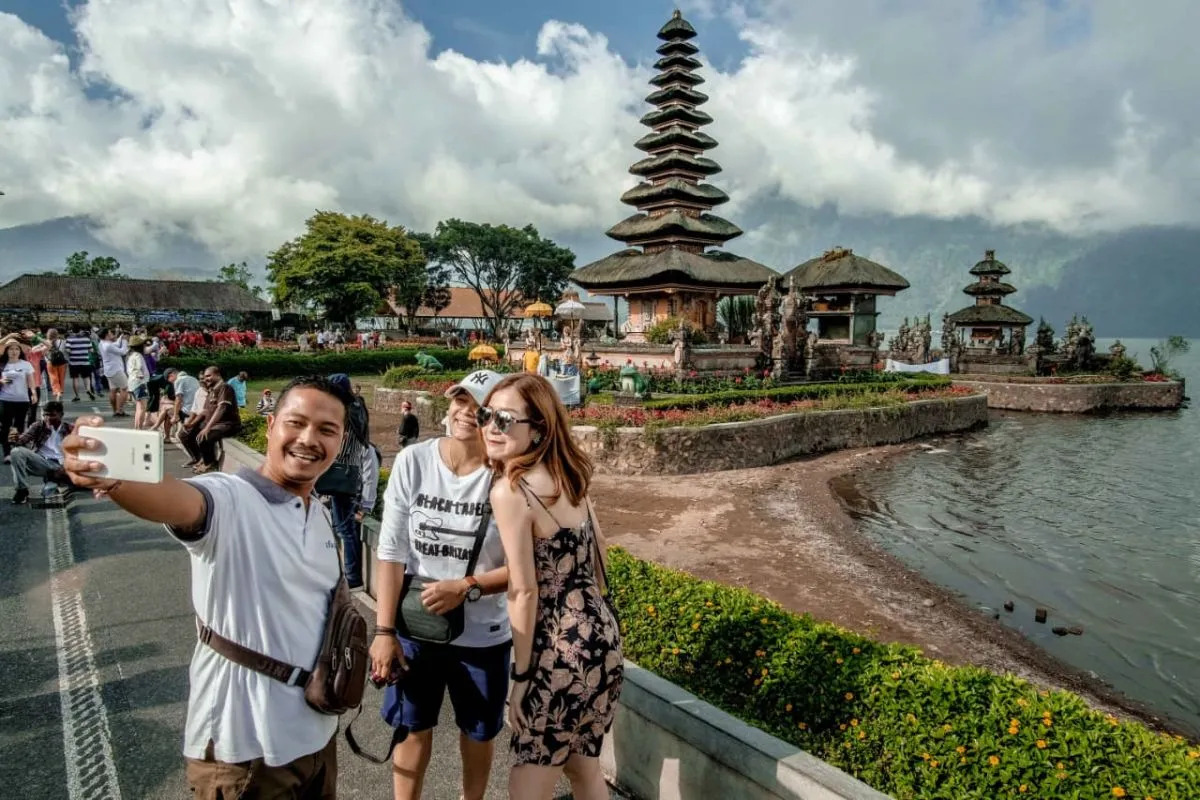

South Korean tourists are becoming increasingly important to Indonesia’s tourism ambitions. As visitor numbers from the country continue to rise, the Indonesian government is stepping up efforts to make Indonesia an even more attractive destination for South Korean travelers.
One of the latest initiatives involves exploring broader tourism cooperation with the South Korean government. The partnership is intended to boost tourist arrivals, strengthen destination promotion, and support the development of high-quality and sustainable tourism.
The commitment was discussed during a bilateral meeting between Indonesian Tourism Minister Widiyanti Putri Wardhana and South Korea’s Minister of Culture, Sports and Tourism, Chae Hwi Young. The meeting took place on the sidelines of the 13th APEC Tourism Ministerial Meeting (TMM13) in Macau, China, according to Antara on Monday (June 29, 2026).
The meeting served as an important opportunity to deepen relations between the two countries in the tourism sector.
During the discussion, Widiyanti emphasized that South Korea has become one of Indonesia’s priority tourism markets.
“With a shared vision within the frameworks of APEC and UN Tourism, Indonesia and the Republic of Korea have significant opportunities to elevate tourism cooperation to a more advanced level and deliver tangible benefits for both countries,” Widiyanti said.
Indonesia’s interest in strengthening ties with South Korea is supported by the steady growth in the number of South Korean tourists visiting the country in recent years. The government therefore wants to expand cooperation and encourage more South Korean travelers to choose Indonesia for their holidays, whether for nature-based tourism, cultural experiences, or special-interest travel.
However, the discussions between the two countries went beyond increasing visitor numbers alone.
Indonesia and South Korea explored opportunities for collaboration in destination promotion, improving flight connectivity, exchanging information, and developing tourism programs that can provide benefits for both countries.
By improving transportation access and intensifying promotional activities, Indonesia hopes to strengthen its position and competitiveness in the South Korean travel market.
Read also: Indonesia Plans to Increase Number of Airports to 296
At the same time, Indonesia stressed that the future of tourism should not be measured solely by the number of arrivals. The government also highlighted the importance of building a tourism industry that delivers quality experiences while remaining sustainable.
As part of this effort, both countries discussed opportunities to share knowledge and experiences in several strategic areas. These include destination development, human resource capacity building, digital transformation in the tourism sector, and the adoption of environmentally friendly tourism practices.
Indonesia believes this approach is essential because tourism growth should not only attract more visitors but also create economic opportunities for local communities and protect environmental sustainability.
South Korean travelers have long shown strong interest in several of Indonesia’s flagship destinations. Popular locations among South Korean tourists include Bali, Labuan Bajo, Lombok, Yogyakarta, and Manado.
Their interest extends beyond scenic landscapes. South Korean visitors are also drawn to Indonesia’s cultural richness, local cuisine, marine activities, and authentic travel experiences.
The growing appeal of these destinations presents a significant opportunity for Indonesia to continue developing tourism products and experiences that align with the preferences and expectations of the South Korean market while strengthening long-term tourism cooperation between the two countries.